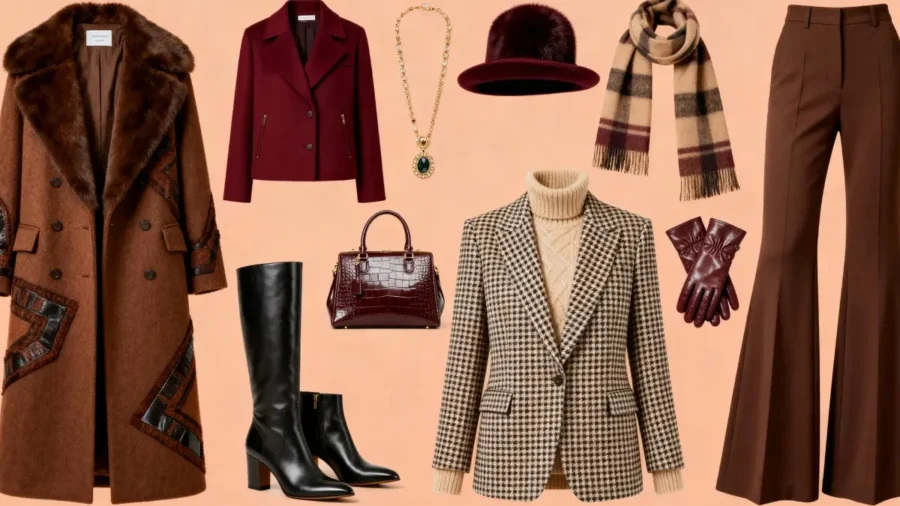
To build a winter capsule wardrobe and master how to dress warm and stylish without looking bulky, you need a hidden foundation of thin, low-friction base layers topped with structured, high-quality mid-layers and weather-resistant outerwear.
Disclosure: This post contains affiliate links. I may earn a small commission at no extra cost to you.
It is entirely possible to look sharp when the temperature drops, but it requires prioritizing fabric composition over sheer thickness.
Piling on heavy sweaters only restricts your movement and makes you overheat the second you step indoors.
I used to dread winter style because I felt swallowed by my own clothes.
It took years of shivering in flimsy denim and sweating in cheap polyester before I finally learned how to layer strategically.
A successful winter closet relies on a strict 70-30 coloring rule to keep your look balanced when stacking heavy textures.
Dedicate 70% of your capsule to dependable neutral foundations—like deep espresso, slate gray, cream, and rich black—which allow you to pile pieces on without clashing.
The remaining 30% is reserved for your accent tones and rich fabrics, ensuring your outfits look intentional and sharp rather than flat.
By selecting a tight edit of practical, mix-and-match pieces, you can create an easy rotation that handles both biting winds and overheated offices.
Instead of cluttering your closet with items you rarely touch, expanding on your master capsule wardrobe checklist with these core cold-weather pieces is what actually makes winter dressing simple.
Capsule Checklist at a Glance
| Category | Essential Capsule Item | Best Fabric Choices |
|---|---|---|
| Base Layers | Merino Wool Top, Thermal Tights/Leggings | Merino wool, Silk blends, Micro-modal |
| Winter Tops | Long Sleeve Bodysuit, Turtleneck, Crewneck Sweater, Button Cardigan | Wool, Viscose, Cashmere, Cotton-modal |
| Bottoms | Knit Midi Skirt, Wide-Leg Trousers, Straight-Leg Pants | Thick wool flannel, Compact jersey, Milano stitch |
| Tailoring | Oversized Blazer | Tweed, Wool-blend flannel, Herringbone |
| Outerwear | Funnel Neck Coat, Hooded Coat, Statement Long Coat | High-quality wool blends, Weather-resistant shells |
| Footwear | Combat Boots, Block-Heel Ankle Boots, Over-the-Knee Boots | Calfskin leather, Waterproof nubuck, Suede |
| Accessories | Plaid Scarf, Long Suede Gloves, Structured Flat Hat, Leather Flap Handbag | Wool-cashmere blends, Cowhide leather, Felt |
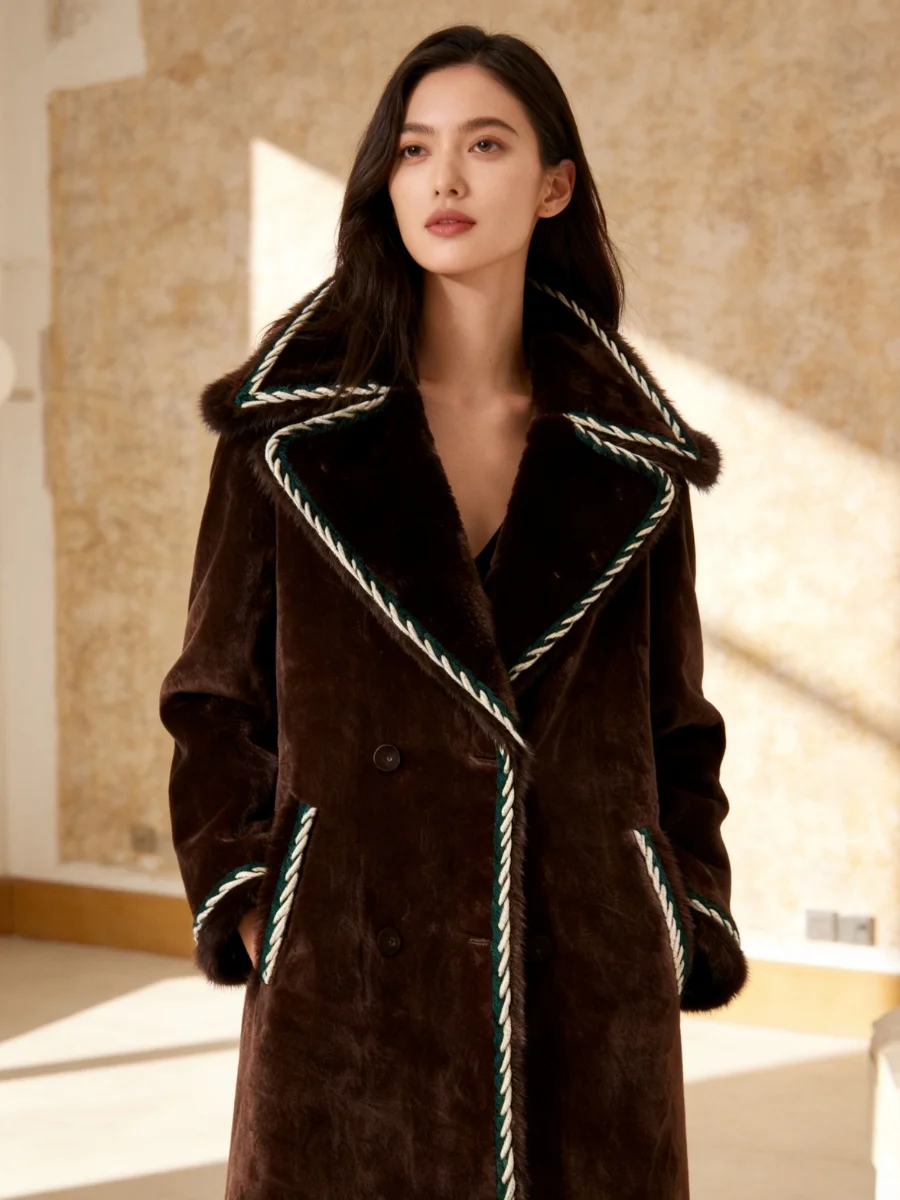
The Invisible Foundation: Winter Base Layers
Piling on thick, heavy clothes just makes it hard to move your arms.
The best approach to winter dressing is using thin winter base layers under your outfits to trap your natural body heat.
The main secret here is choosing smooth, low-friction fabrics for your thermal underwear that do not fight with your clothes.
Materials like fine merino wool, silk blends, and micro-modal slide easily under tight sleeves, which stops your sweaters from bunching up or sticking to you.
For your lower half, high-denier opaque tights, thin silk long johns, or fleece-lined footless leggings handle the cold under wide-leg pants and skirts without adding bulk.
To keep this foundation hidden, look for seamless edges and laser-cut hems so you do not see harsh lines through your trousers.
Color matters too. Instead of bright whites that flash through your knits, pick shades that match your skin tone or the tone of your outfit—like milk white under pale sweaters, charcoal grey under dark knits, or camel under earth-toned coats.
When you get these hidden baselines right, you can keep wearing your favorite blazers, structured trousers, and midi skirts on freezing days without shivering.
They take care of the cold weather so your layers drape flawlessly—a key step when learning how to look expensive on a budget—ensuring your actual outfit can stay sharp, clean, and beautifully tailored.
1. The Merino Wool Base Layer for Winter Style
If you want to stay warm without looking like a marshmallow, you need a good merino wool base layer underneath your clothes.
This layer traps your body heat so you can stay cozy all day without wearing bulky, heavy garments.
True merino wool uses natural fibers shorn from sheep.
These fibers trap air to keep heat locked in, but they bend against your skin so the fabric feels soft instead of scratchy.
The knit also lets your skin breathe, which stops you from sweating the minute you walk into a warm, heated room.
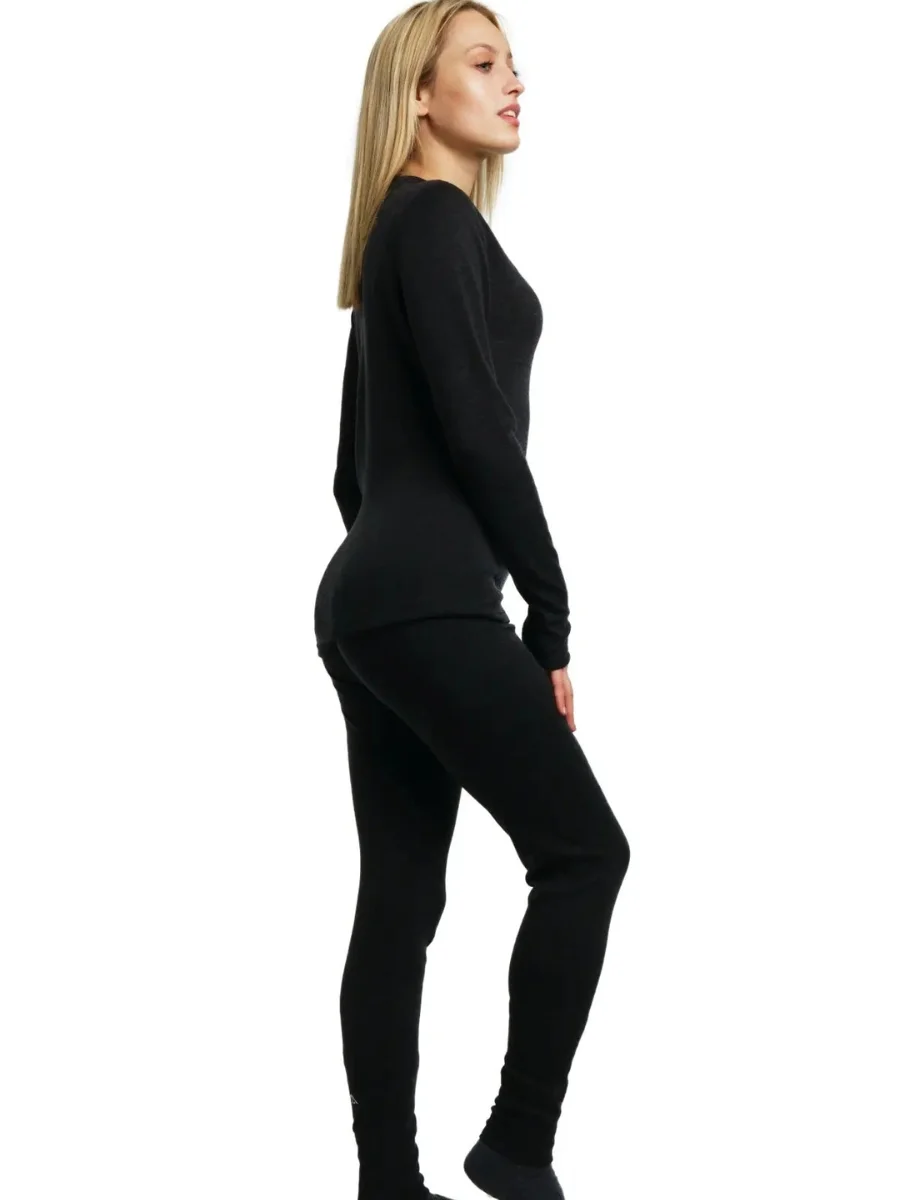
While the exact color of your under base layer does not matter that much because it is usually not visible, your choice can matter if your outer clothes are thin or low-cut.
Soft milk white, charcoal grey, and rich camel work as excellent color options for your winter capsule depending on what you wear over them.
Light neutral shades blend cleanly under pale, open-knit sweaters if a bit of fabric shows through the weave.
Deep tones hide winter stains and shadows under dark clothing.
Warm earth shades tie easily into brown or khaki coats if a cuff accidentally slips out at the wrist.
The shape of the base collar dictates how top layers drape.
A wide scoop neck stays hidden under crewnecks and frames the collarbone beautifully.
If you hate cold drafts, a thin turtleneck turns your base layer into a visible styling piece under a blazer.
Standard crewnecks offer full chest coverage and protect your skin from scratchy top-layer sweaters.
Whenever 100% merino wool does not fit your skin type, you can look for a silk-wool blend.
It creates a thinner fabric with a smooth sheen that slips under tight clothes without any friction.
Alternate Fabrics to Consider:
- Silk-Wool Blends: Best for a smooth, friction-free fit under tight tops.
- Heavy Cotton-Modal: Ideal if your skin reacts poorly to animal hairs.
- Tencel-Fleece Blends: Great stretch with a brushed interior texture that stays flat at the waist.
Winter Styling Trick: Leave your heavy knit cardigans or blazers half-unbuttoned over a scoop-neck base. This creates a clean window of skin at your collarbone that lightens up heavy winter layers, which I love to pair with a delicate necklace.
Winter Tops: Layering Sweaters & Winter Knitwear
Walking from a cold street into a heated room can make it hard to choose the right clothes.
You can easily get too cold outside and then feel too warm indoors.
The best fix is having mid-layer winter tops that keep you warm but let your skin breathe.
These are the pieces you will wear most often. A flat bodysuit fits easily under a tight jacket, while high-neck layering sweaters block the wind so your throat stays warm.
Loose crewnecks and simple cardigans give you options to change your look depending on the room temperature.
When you choose reliable winter knitwear in fabrics like wool, viscose, or cotton-modal, you stay comfortable all day.
These tops connect your hidden undershirts to your heavy coats, making it easy to look appropriate for work or a casual dinner.
2. Long Sleeve Bodysuit: Winter Layering
Regular shirts always bunch up and wrinkle when you try to tuck them into high-waisted pants or skirts.
This long sleeve bodysuit solves that annoyance by staying flat and smooth against your body all day.
The fabric is a blend of viscose and polyester, making it feel silky and stretchy without adding any thick layers.
If you don’t prefer viscose fabric, a modal-blend or a lightweight bamboo knit are excellent alternative winter choices.
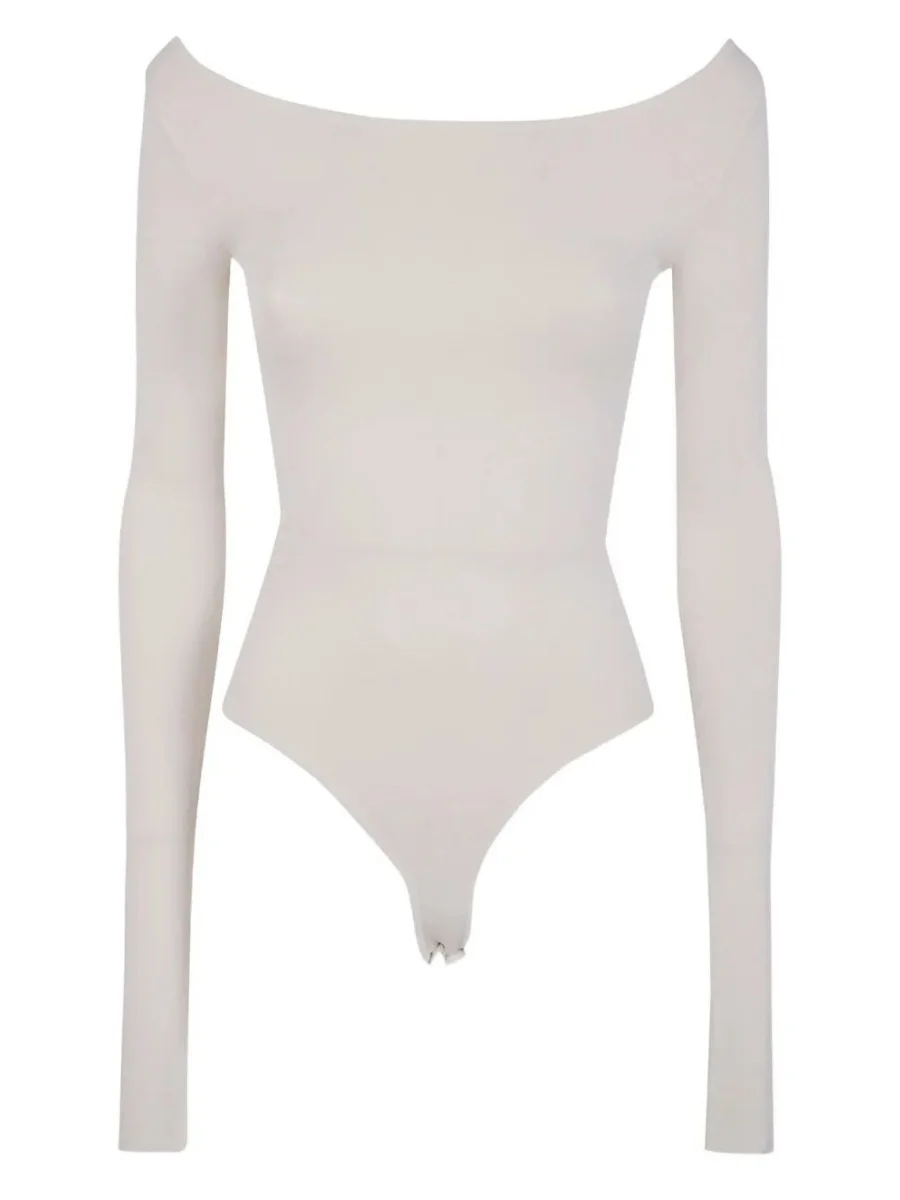
I think it is smart to have this thin piece in your winter capsule wardrobe because it works so well when you want to wear a tailored blazer.
Layering a tight jacket over a thick wool sweater restricts your arms and makes your shoulders look bulky.
This bodysuit keeps your outfit clean and streamlined instead.
It is a practical option for office days or winter dinner dates where you want to look polished after taking off your heavy coat.
3. Turtleneck Sweater: Winter Must-Have Clothes
A medium-weight wool turtleneck is a smart investment because it acts as an excellent shield against bitter winter winds.
The high neckline hugs your throat to block out freezing drafts, eliminating the need for a heavy scarf indoors.
Good wool fibers trap body heat while remaining breathable enough to handle warm indoor spaces without overheating.
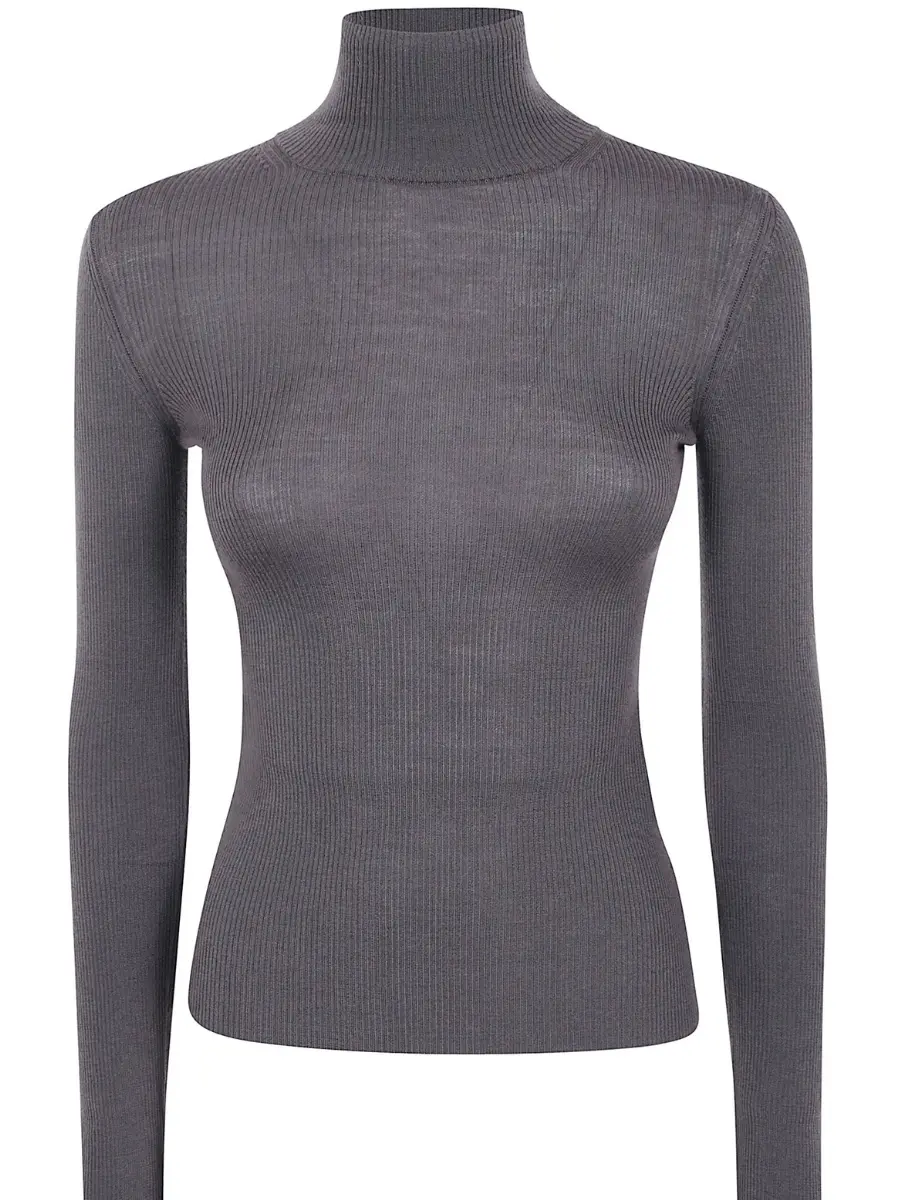
Turtleneck Sweater works across different dress codes.
You can tuck it into structured trousers for a clean look, or throw it over a fluid slip skirt paired with tall boots for a dinner date.
It also layers underneath a long tailored wool coat, an unbuttoned shirt, or a casual denim jacket.
If you want to customize your capsule, look for plush cashmere for extra softness, or try a cotton-modal blend if wool makes your skin itch.
Capsule Outfit Hack: Try folding the neck cuff inward instead of outward. This simple trick creates a clean look that lets your chain necklaces lay flat without catching on the fabric edge.
4. Crewneck Sweater: Cold Weather Essentials
I always make sure to have a few good crewneck sweaters ready for winter because they tie everything else in a closet together.
A simple knit like this lets you shift easily from thin t-shirts to your heaviest winter coats.
It traps body heat without feeling stiff, and because it doesn’t have a bulky collar, you can layer it over button-downs, drop it under structured jackets, or just wear it alone with some simple jewelry.
I live in cozy wool-blends the moment the air gets crisp because they keep me warm without making my skin itchy.
This specific crewneck sweater has a slightly loose, relaxed fit, which is great because you can easily throw it over a thin long-sleeve tee or bodysuit without feeling like you are trapped in tight layers.
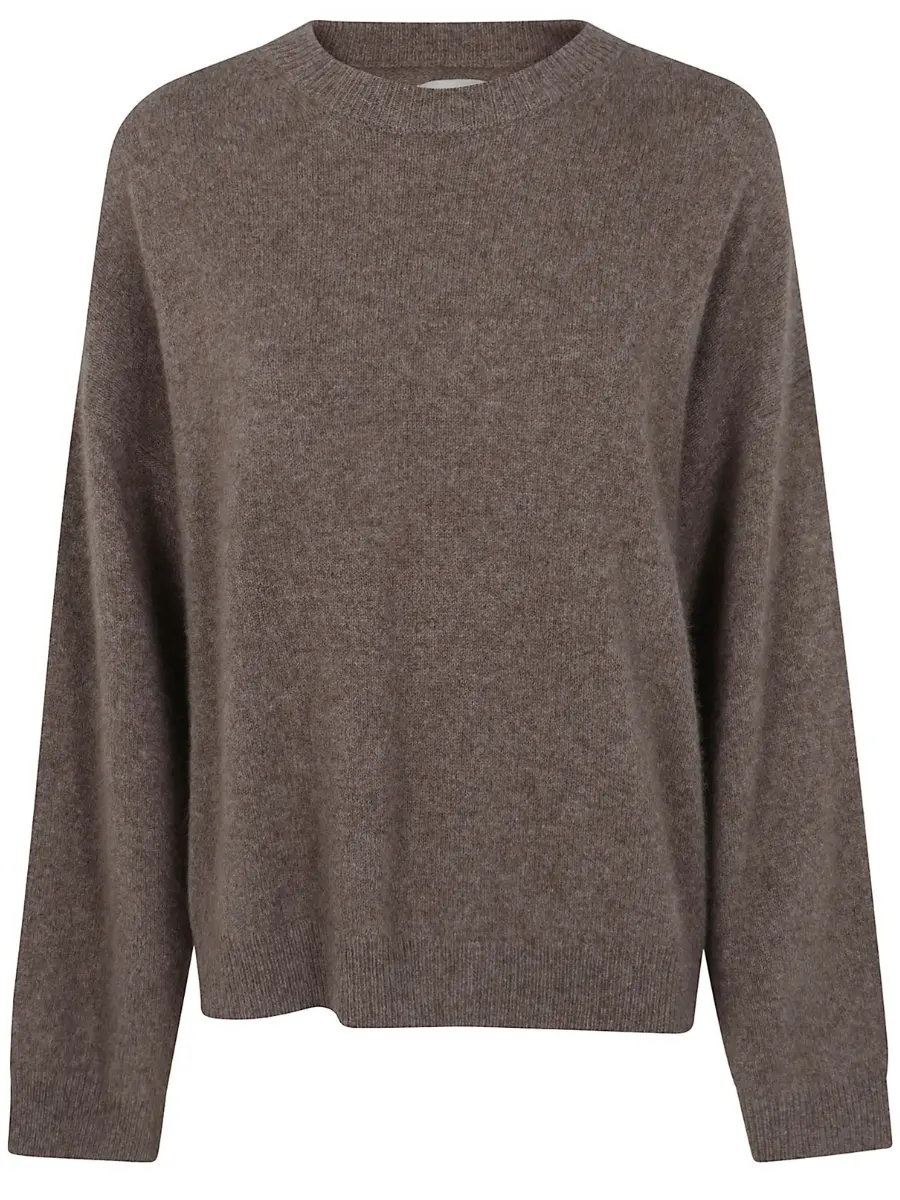
Layering can get frustrating when a heavy coat starts to bunch up over a thick knit.
Since this style has dropped shoulders and wider sleeves, your overcoat slides right over it without pulling at your armpits.
The neckline sits completely flat, so your collar choices show cleanly.
For me, it is a dependable piece for those days when you are running from freezing outdoor winds into a heavily heated office.
To build a sleek winter outfit, try tucking the front hem into high-waisted wool trousers and adding a leather belt to define your waist.
This knit also pairs beautifully over a satin slip skirt with knee-high leather boots, mixing contrasting textures to create a rich, thoughtful look.
RELATED READING: Shopping for cold-weather staples for him too? Browse my guide to practical Christmas gifts for him, featuring tartan wool scarves, merino mittens, and heavyweight menswear.
5. Button Front Cardigan: Cold Weather Layers
A solid button-front cardigan belongs in every winter wardrobe because it acts as two distinct pieces in one, allowing you to wear it pinned closed as a shirt or left open as a light jacket.
Choosing a shape with dropped shoulders or a relaxed, boxy cut avoids that stiff, tight sensation that usually happens when layering warm winter clothes.
When I was browsing online, this specific cardigan caught my eye because the built-in white shirt tail gives off that polished, double-layered look while keeping a waistline neat.
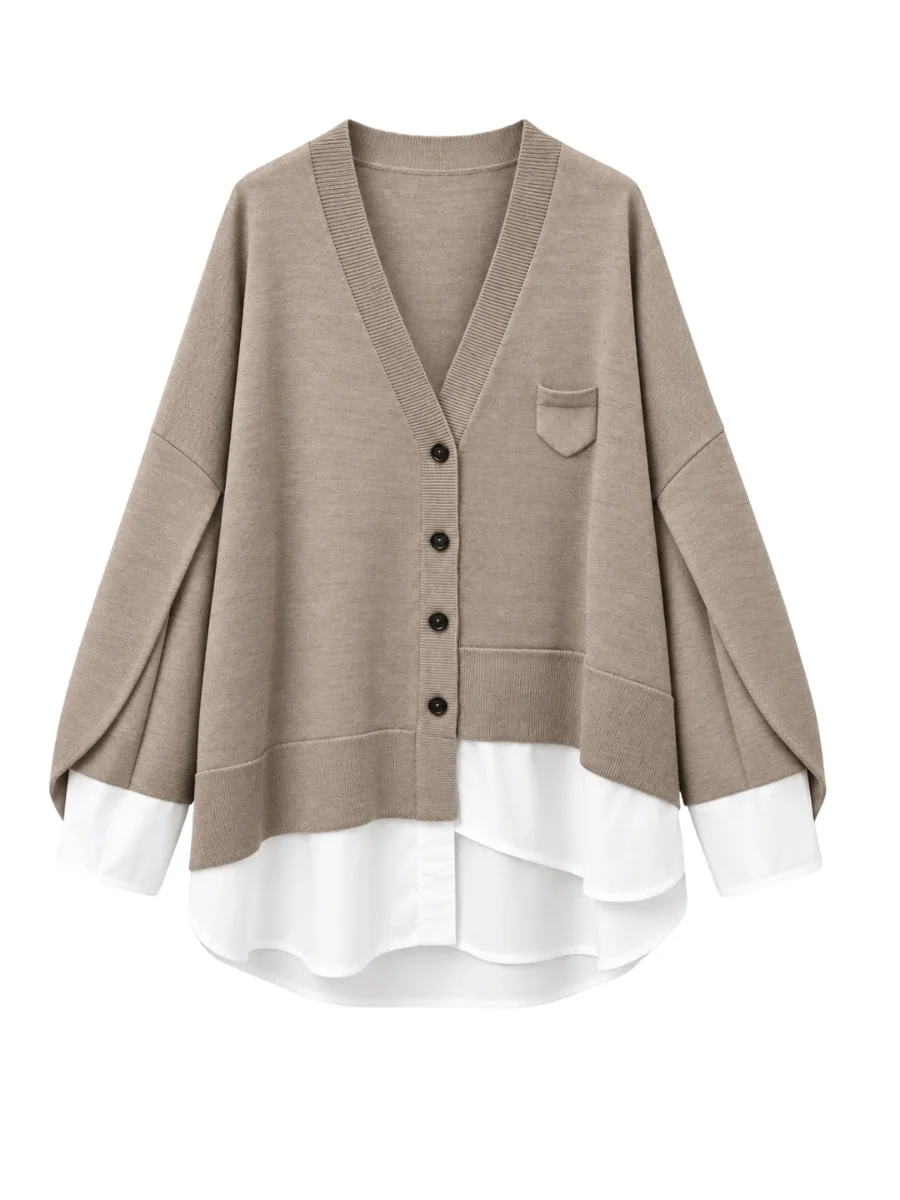
When you want a sharp outfit without stacking multiple heavy garments, a knit with a built-in lighter hemline adds great visual interest at your waist and wrists.
This simple detail breaks up a solid, single-color look.
Selecting styles made from soft wool or cashmere blends guarantees the fabric keeps you warm while staying comfortable against your skin.
To style a classic knit like this for a casual day, try pairing it with deep indigo straight-leg denim and smooth leather ankle boots.
The contrast between soft knit textures and structured jeans creates a clean, balanced look.
For an evening out, switching the denim for tailored wool trousers or a sleek slip skirt works well.
The clean lines of the trousers keep the outfit grounded, while a glimpse of a lighter shirt cuff or hem underneath pulls the whole look together.
Winter Pants & Skirts: Cold Weather Bottoms
Freezing wind goes right through regular denim jeans.
Choosing heavy winter pants or structured winter skirts in fabrics like thick wool flannel or tightly woven knits keeps your legs much warmer.
These heavier materials drop down in a clean line, which helps balance your proportions when you wear big winter coats or thick sweaters on top.
Roomy wide-leg trousers and straight skirts give you the space you need to layer warm tights or fleece leggings underneath.
Because these cold weather bottoms have a looser cut, your hidden underlayers will not bunch up around your thighs or waist when you move around.
This makes it easy to stay warm throughout the day without feeling restricted.
Stick to dark, versatile base colors like espresso brown, charcoal grey, and deep navy for your lower half.
These shades do a great job of hiding winter slush stains or wet spots from the snow, and they blend cleanly with lighter neutral tops.
To keep your clothes working well, look for waistbands with side tabs or elastic backs that stretch when you tuck in thick sweaters.
For maximum warmth, choose ankle-length hems that sit flat over your leather boots so cold air cannot blow up your pant legs.
6. Knit Midi Skirt: Winter outfits
Trousers are great, but a heavy knit midi skirt gives you a completely different silhouette without making you freeze.
The trick to nailing these winter outfits is choosing the right fabric structure.
A tight, compact weave like Milano stitch or heavy ribbed fabric blocks the wind better than traditional denim.
The chocolate brown Elisabetta Franchi Knitted Midi Skirt shows how a classic pencil shape works for cold weather.
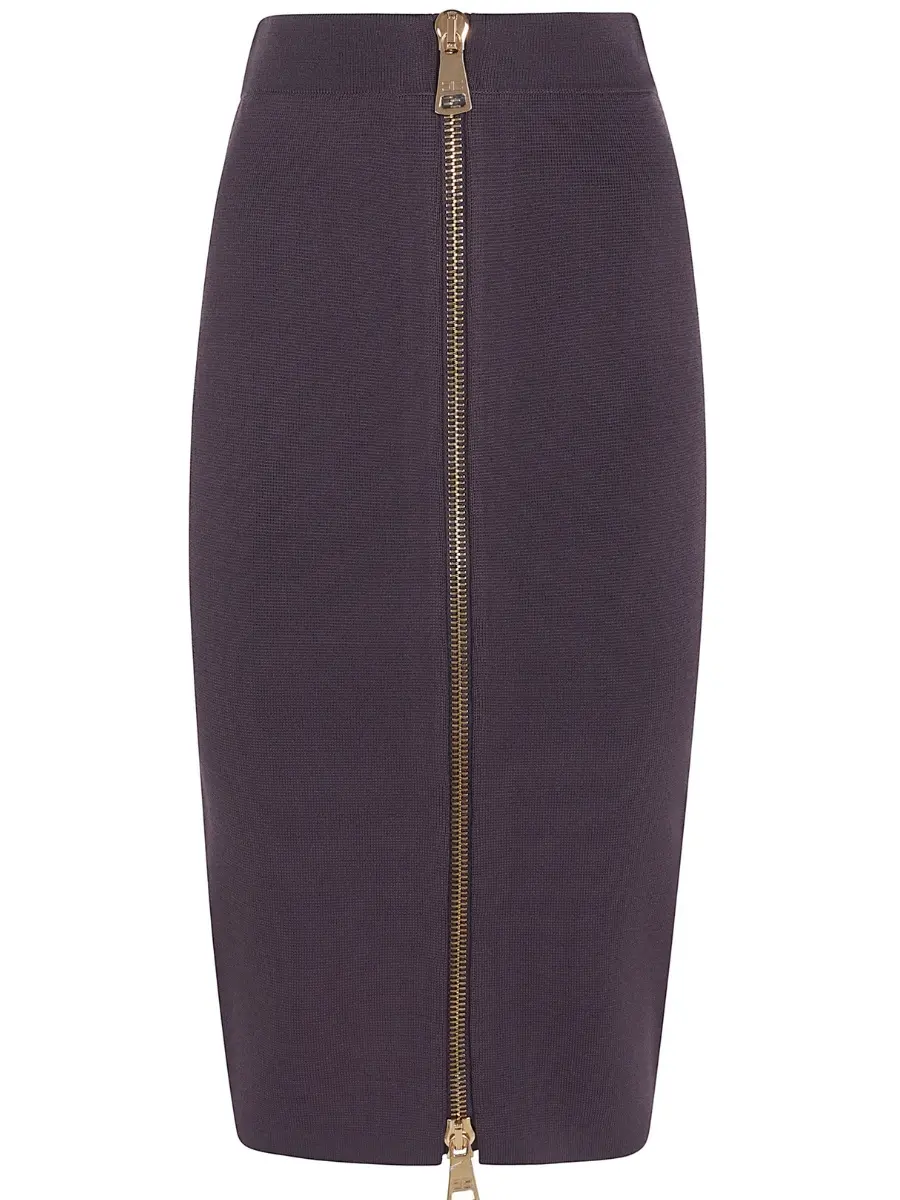
It uses a heavy viscose-polyamide blend in a full Milano stitch, which keeps its shape without bagging out.
If you prefer natural fibers, look for merino wool or cashmere blends. Just avoid 100% polyester knits; they lack the heavy drape needed and trigger instant static.
A long front zipper adds metal detail and lets you adjust a slit at the bottom for easier walking.
For a true wardrobe staple, look for options with an elastic waist.
Comfort matters when you want to tuck in thick layers.
If you pick a solid neutral shade like espresso, charcoal, or deep navy, you can treat it just like your favorite trousers.
It pairs well with a cropped sweater or a structured blazer.
To stay warm on freezing days, wear knee-high leather boots underneath so no skin meets the cold air.
For freezing winter days, I layer underneath with pure merino wool or wool-cotton blend tights, but you can also look for wool-nylon-elastane blend tights to lock in heat
The Cold-Weather Secret: Knit skirts often cling to tights because of static electricity, making the fabric ride up awkwardly as you walk. Skip the chemical sprays. Instead, run a metal wire hanger down the inside of the skirt to discharge the static buildup immediately. For a permanent fix that keeps your clothes moving smoothly all day, read my complete guide on how to prevent clothes from clinging.
7. Wide Leg Pants: Winter Bottoms
Jeans often fail when temperatures drop because denim holds onto the cold.
A good pair of wide leg pants gives you a smart alternative with plenty of room to hide thermal layers underneath without anything pulling or bunching.
When shopping around for these winter staples, stick to heavy fabrics like thick flannel, compact jersey, or wool blends that possess the density to shield you from freezing temperatures.
The dark blue pinstripe Weekend Max Mara Trousers are a great example of how this works.
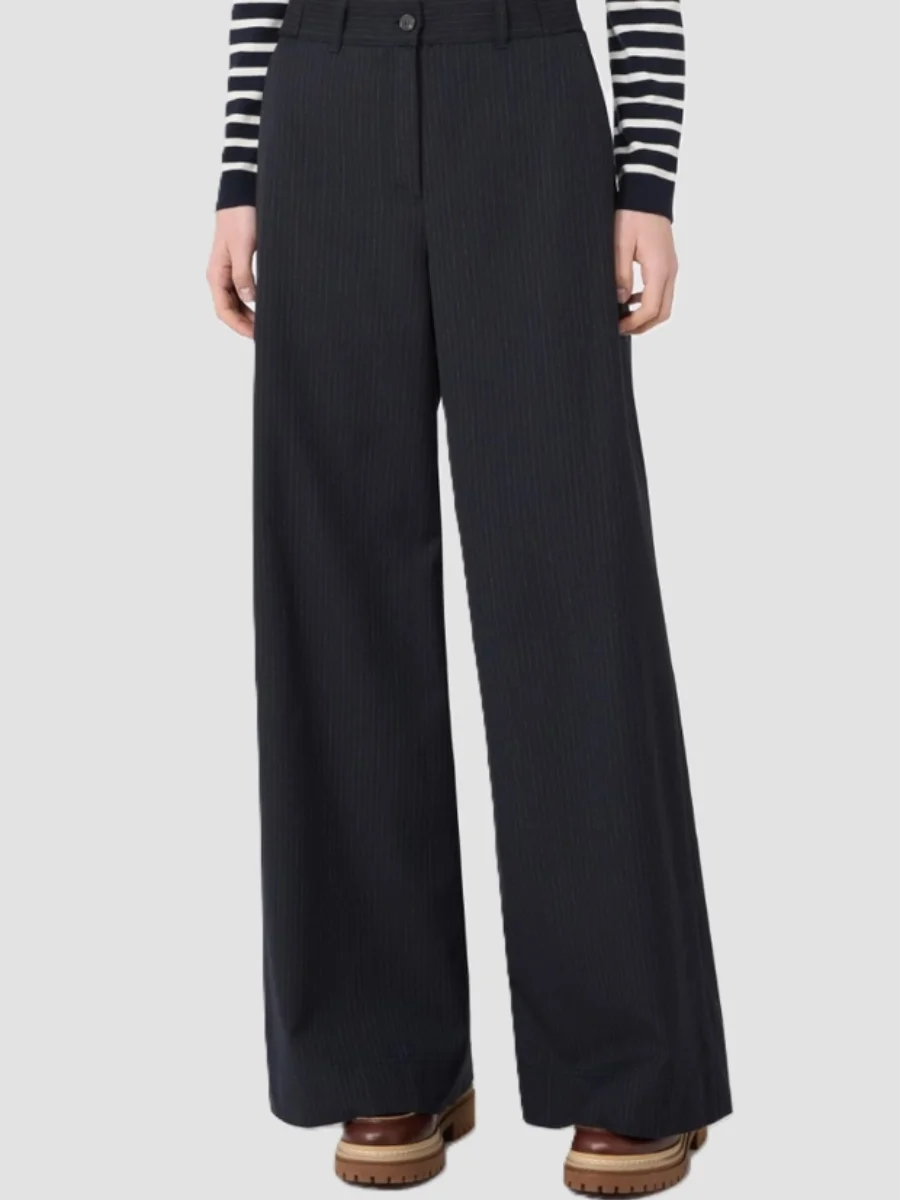
They use a rich blend of virgin wool and cotton, so they keep you warm while falling in a clean, straight line.
My favorite detail is on the waistband. Instead of a stiff denim waist that pinches when you try to tuck things in, these have adjustable button tabs on the sides.
You can loosen or tighten them depending on how thick your sweater is that day, which completely stops that annoying fabric bunching around your stomach.
Plus, choosing wide leg pants balances out top-heavy winter layers like chunky knits or big puffer coats when you walk.
They work just as well for an office meeting as they do for a casual weekend dinner
8. Straight Leg Pants: Warm Bottom Wear
I love throwing on patterned pants when my winter closet starts feeling a bit dark and repetitive.
These Wine Check Straight Pants are a savior because they do not cling to your skin like skinny jeans do, meaning you can easily layer thin thermal tights underneath on freezing mornings.
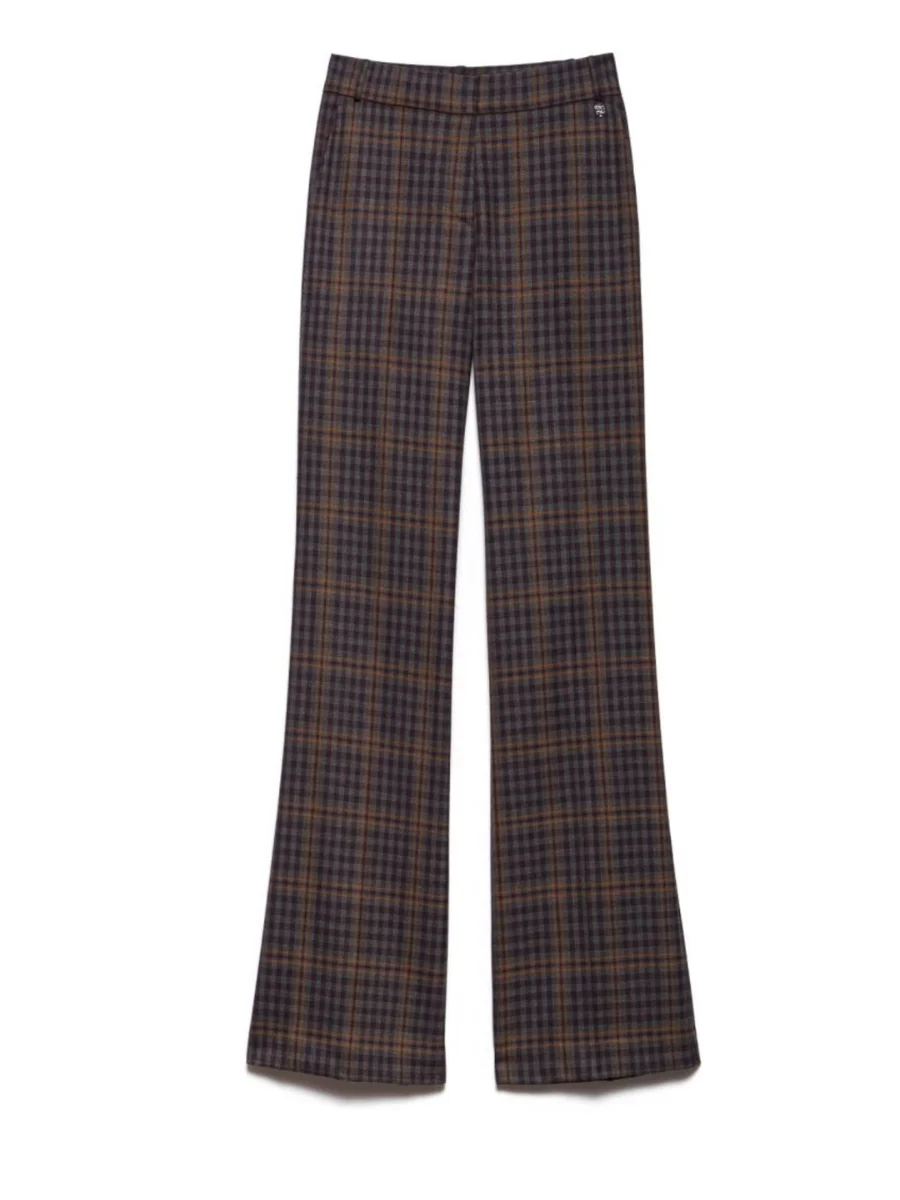
If you want a print that goes with everything, stick to low-contrast patterns like a dark heritage check or a muted hounds-tooth.
The straight leg pants are a great example of warm bottom wear that handles the cold well.
The fabric has a sharp, pressed crease down the middle that adds a bit of structure, making them look put-together even with an oversized knit.
The plum and brown colors blend together into a deep tone, so you can pair them with standard black, cream, or grey tops without any color clashing.
The hem falls flat over regular ankle boots without bunching up at the bottom, which does a great job of keeping out raw wind. They are simple, comfortable, and add a nice bit of texture to a basic winter rotation.
Winter Blazers: Tailoring & Indoor Layering
Taking off a big outerwear coat when you step inside can ruin your outfit.
Suddenly, your look is just soft, slouchy knits. You can easily lose all your posture and shape the minute your outerwear goes onto a coat rack.
To fix this, you need structured indoor layering pieces that bring back clean lines without making you feel cold.
A sharp jacket is the easiest shortcut to looking put-together in an office or restaurant.
Choosing loose, well-cut winter blazers in heavy fabrics like thick flannel, tweed, or herringbone gives you a crisp silhouette over your thinnest shirts or thickest sweaters.
The shoulders and lapels do the hard work of framing your upper body.
They keep your clothing looking deliberate and sharp, ensuring you look neat for a meeting or a dinner date even when you are just wearing a basic under-layer.
A good capsule only needs one or two of these pieces to stay versatile.
You can get the same polished result by using a structured button-up overshirt in heavy boiled wool, a belted utility jacket made of thick cotton drill, or a tailored waistcoat layered over a thin knit.
Even a stiff denim jacket with a clean collar or a cropped tweed jacket works well.
The main secret is simply choosing a piece with a defined shoulder line or a crisp collar to contrast all the soft, stretchy knitwear underneath.
Related Reading:
Dressing up for holiday dinners or December parties? Browse my 7 favorite Christmas outfits—from cozy corduroy overalls at home to velvet blazers and formal evening gowns.
9. Oversized Blazer: Layering Pieces For Indoor
Throwing a tailored jacket over a soft knit changes the whole look.
It gives you a sharp shape so you look put-together the minute you take off your heavy coat.
The Charcoal Tailored Blazer works well when you want to look smart inside without feeling stiff.
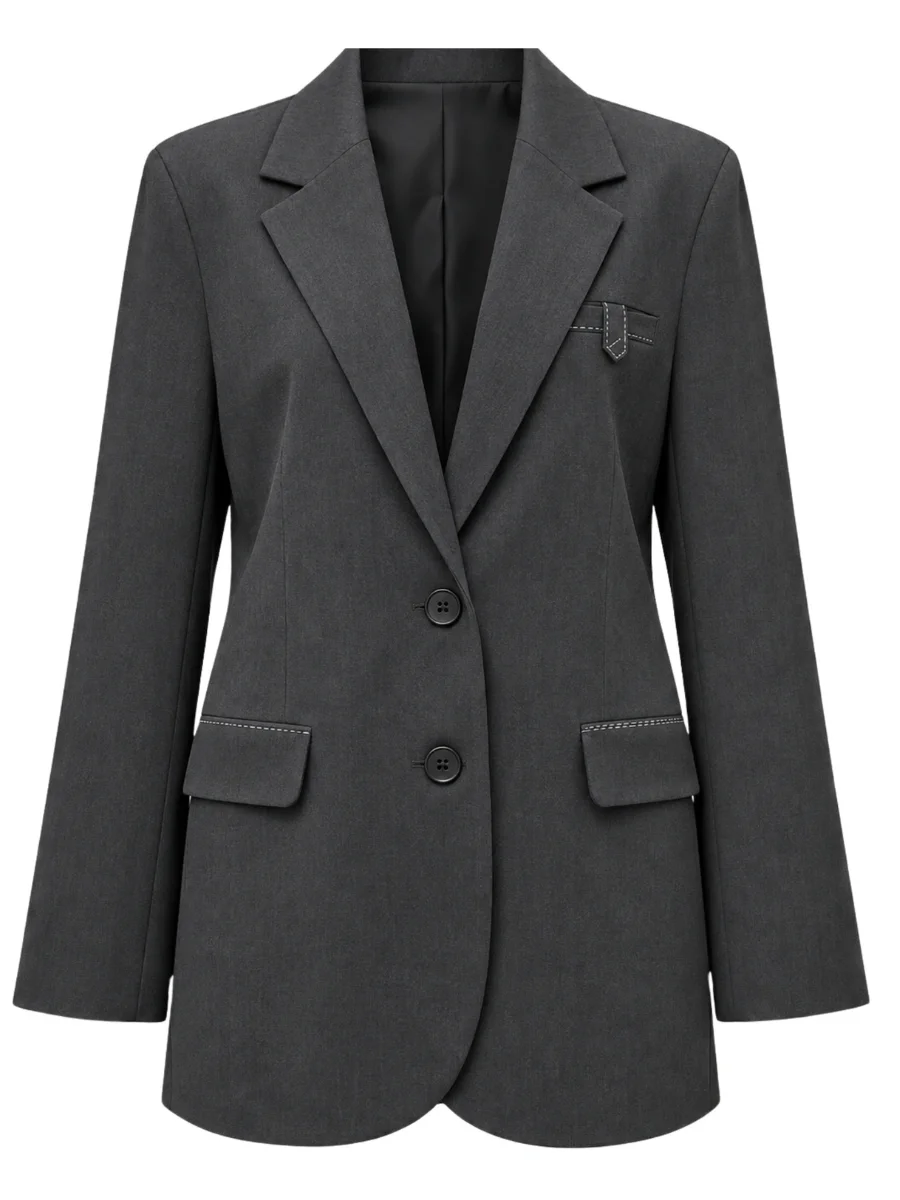
It has a dropped shoulder line that leaves room for a cozy sweater or a bodysuit underneath.
Contrast topstitching runs along the lapels and pocket flaps, which breaks up the plain fabric so it does not feel like boring office wear.
I look for an oversized blazer in the winter because it gives you so many options.
If you want to look for alternatives, stick to heavy wool-blend flannels, thick tweeds, or compact herringbone weaves.
These fabrics keep you warm inside and hold their shape over your heavy knits.
The fabric hangs straight past the hips and does not wrinkle when you sit for a long time.
It works as one of those core layering pieces for indoor spaces, letting you go from your desk to a dinner spot.
Throwing this loose shape over straight trousers or a knit midi skirt balances your outfit and keeps you comfortable.
Cold Weather Outerwear: Winter Coats & Jackets
Selecting your seasonal outerwear requires finding the perfect balance between style, utility, and layering space.
When you are keeping your closet minimal, your choice of top layers needs to be highly versatile—effortlessly adapting from formal office meetings to relaxed weekend errands.
Finding the right cold weather outerwear comes down to balancing length and structure so your layers underneath have room to breathe.
As a rule, always size your coat to comfortably fit your thickest winter knitwear underneath.
High-quality winter coats and jackets made from thick wool blends or weather-resistant shells do the heavy lifting of keeping you warm, acting as a shield against sudden sleet or biting winds.
Investing in a long tailored coat and a shorter, more relaxed jacket gives you total coverage for any event on your calendar.
Because these pieces are the first things people see, picking classic shapes and neutral tones ensures you always look put-together before you even step inside.
10. Funnel Neck Coat: Wool Outerwear
Your main coat is the most important piece in a winter capsule wardrobe because it has to work with every single outfit you own.
When you only pick a couple of outerwear items for the whole season, you need a shape that can dress up for work but still look great over casual clothes on the weekend.
The Calvin Klein Wool Funnel Neck Coat fits a capsule framework because of its smart neckline design.
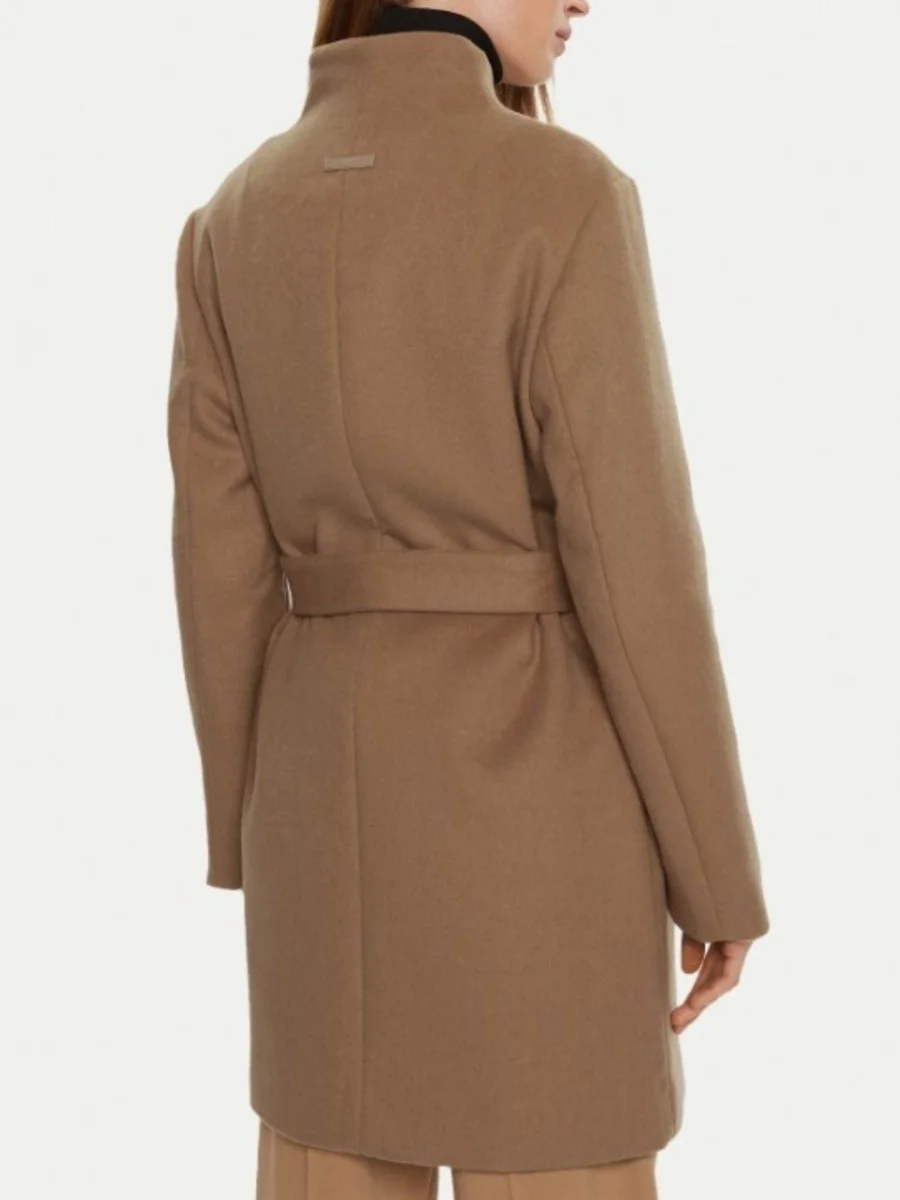
I love this style because you can button it all the way up on freezing days to block out biting chill, but it also looks great worn open with a chunky wool scarf tucked inside.
Choosing a funnel neck coat gives you that instant built-in coverage without forcing you to carry extra layers everywhere.
The fifty percent wool fabric is thick enough to keep you warm over thin base layers while hanging in a clean line so you do not look boxy.
It comes with a fabric belt you can tie to give yourself some shape, or you can take it off completely when you want a looser fit over thick sweaters.
Similar closet staples like a double-breasted pea coat or a tailored car coat provide this exact type of coverage.
These shorter lengths offer the same sharp shoulder structure and high-quality wool protection without competing with the longer or hooded coats in your closet.
A funnel neck coat keeps you warm while letting you move around easily on busy days.
11. Hooded Wool Coat: Ready for Cold Weather
A hooded wool coat is an important anchor in a winter capsule wardrobe because it saves you on those messy weather days.
When you are keeping your closet small, you need at least one high-quality wool coat that handles sudden rain or sleet so you do not have to carry a clumsy umbrella everywhere.
It is the best proof that you can stay warm and dry without looking like a total mess, giving you a casual look that balances out your formal pieces.
The Dupgri Hooded Coat mixes real everyday function with a sharp shape.
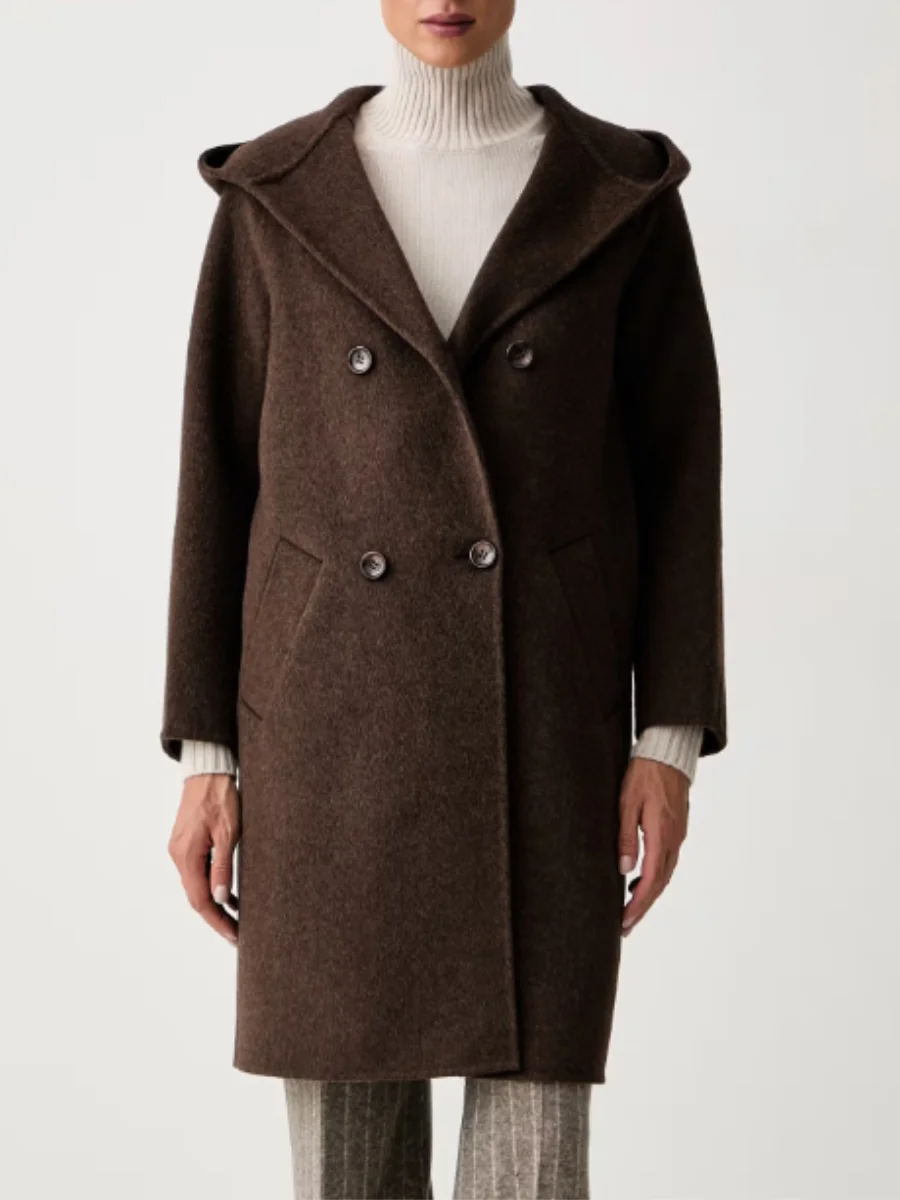
Most hoods only come on giant, puffy parkas, but choosing a hooded wool coat keeps you warm while looking very stylish.
It has enough room to layer over a thick cardigan or an oversized blazer without bunching up around your shoulders, so you stay cozy without losing your shape.
I love a good hooded wool coat for morning commutes or quick errands.
Throwing the hood up stops the wind on the spot, which means you can leave your extra scarves at home and keep your outfit looking clean.
A wool duffle coat with toggles or a sleek trench with a removable hood also make sense for a capsule closet.
They keep your wardrobe minimal, useful, and ready for bad weather.
12. Long Coat: Winter Classy Wardrobes Statement Piece
A long coat that hits past your knees makes a big difference for a small winter closet.
It changes your whole look, making you look sharp even if you just threw it on over a pair of basic grey sweatpants to run out the door.
Having that extra fabric down to your shins matters when a freezing wind kicks up because it blocks the cold air from hitting your legs and skirt hems.
This Checked Coat has a clean, straight shape with a simple collar and three buttons down the front.
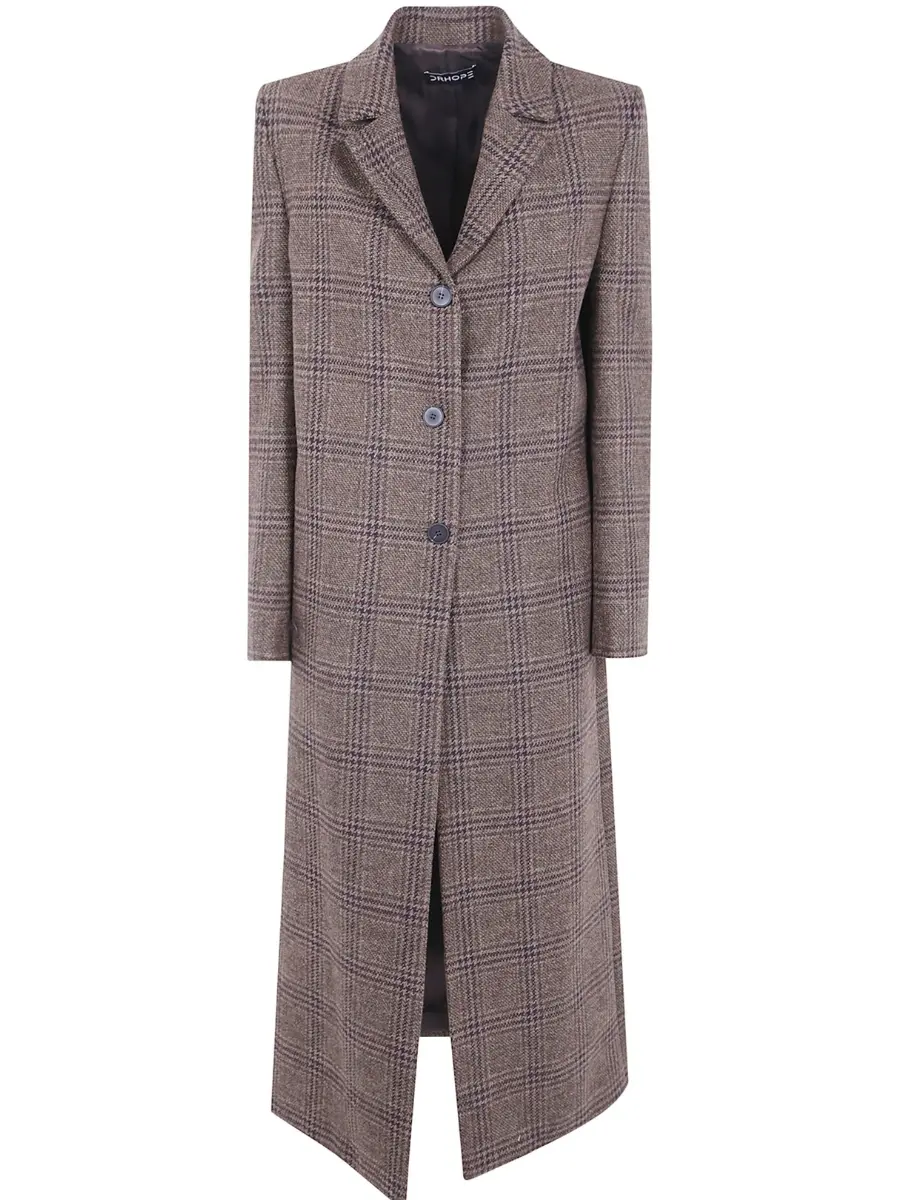
The material is heavy and thick. It hangs straight down without looking bulky or losing its shape when you button it up.
I picked a plaid pattern for my own closet because solid black coats can start feeling boring by January.
The grid lines give you some easy texture that goes with standard basics, like a plain cream turtleneck or a heavy knit skirt.
It is simple to style. You can wear it wide open with a casual t-shirt and jeans on the weekend, or button it up for a nice dinner out.
If big prints are not your thing, you can get a similar look by searching for a heavy wool wrap coat in dark olive or a classic charcoal herringbone tweed.
Both options break up a simple monochrome wardrobe while matching everything you own.
Winter Boots: Cold Weather Footwear
Freezing pavements pull heat right out of your feet from the ground up, making thin-soled shoes unusable.
Thick rubber treads on your winter boots act as a physical barrier that stops the cold ground from absorbing your body heat.
This collection of cold weather footwear spans across tough lace-up boots, low block-heel ankle styles, and tall over-the-knee shafts.
These varying heights serve a practical purpose by closing the open space under your trousers or skirt hems to lock out cold air.
Investing in sturdy materials like full-grain calfskin leather, water-resistant nubuck, or thick treated suede ensures you maintain secure traction on slick surfaces while keeping your feet dry and warm.
13. Combat Boots: Winter Boots Essentials
Thin-soled shoes do not work when winter streets turn into a wet mix of snow, mud, and ice.
A heavy rubber tread keeps your feet elevated away from freezing puddles while stopping slips on slick ground.
The trick to keeping combat boots looking chic inside a capsule closet is choosing a streamlined black design that strips away bright neon hardware or clunky details so it pairs easily with tailored pants and skirts.
The Timberland boots prove how a functional choice fits a smart wardrobe strategy.
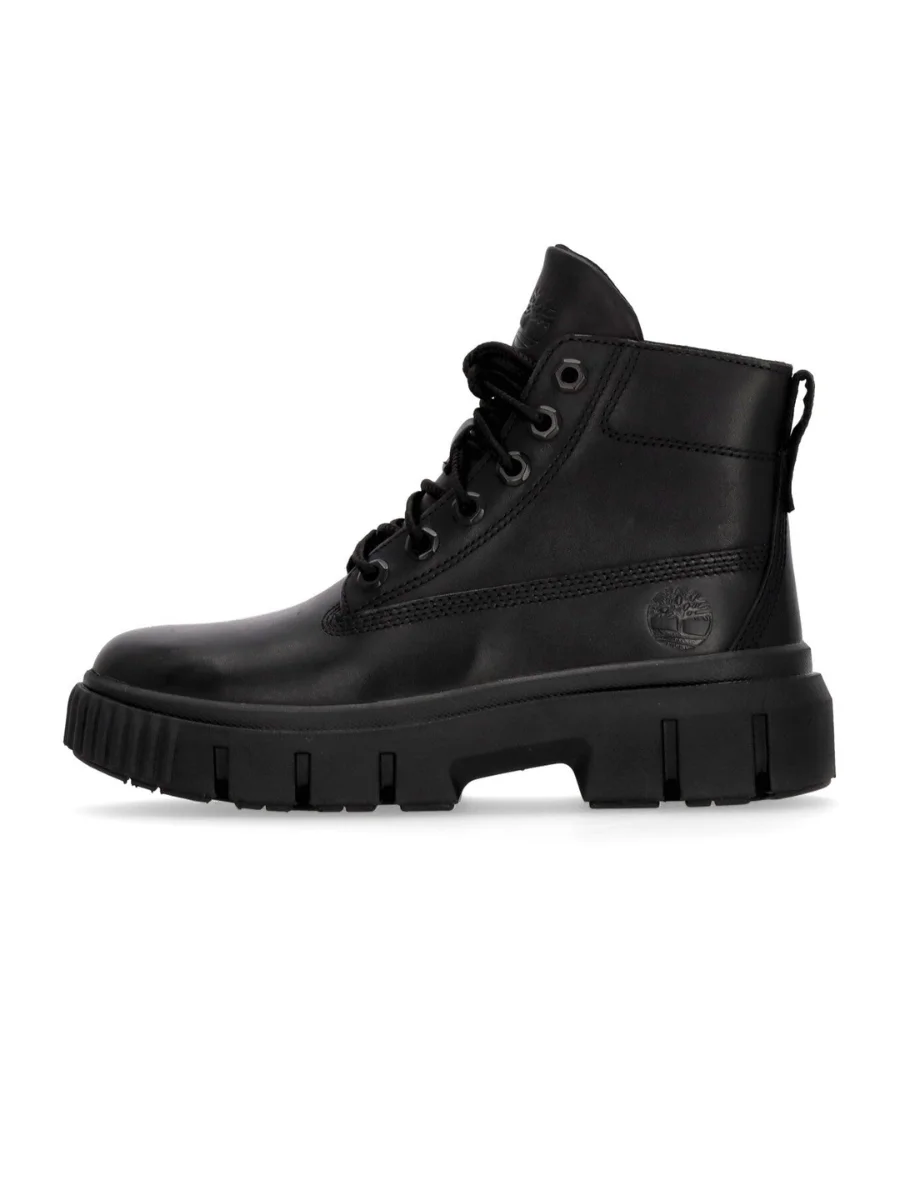
Woven from durable nabuck leather with heat-sealed seams, they stop water from creeping inside when you walk through heavy sleet.
The thick sole handles dirty streets easily, but the overall shape stays lightweight so your legs do not feel heavy during long winter strolls.
I often find myself grabbing these chunkier boots to ground a softer look, like balancing out a knit midi skirt or hiding them right under wide leg pants.
They take the delicate edge off tailored pieces, bringing a cool touch to your daily rotation while keeping your feet dry.
If a lace-up style does not fit your mood, searching for high-traction winter boots like a smooth leather Chelsea boot with a thick rubber tread gives you the same seasonal protection while matching everything you own.
14. Sleek Ankle Boots: Winter Footwear Staples
A leather boot with a low block heel is my go-to for staying warm without looking bulky.
The tight ankle fit is the most important part because it lets straight pants fall flat over the top without any bunching.
These Sleek Ankle Boots carry an entire wardrobe through the cold months.
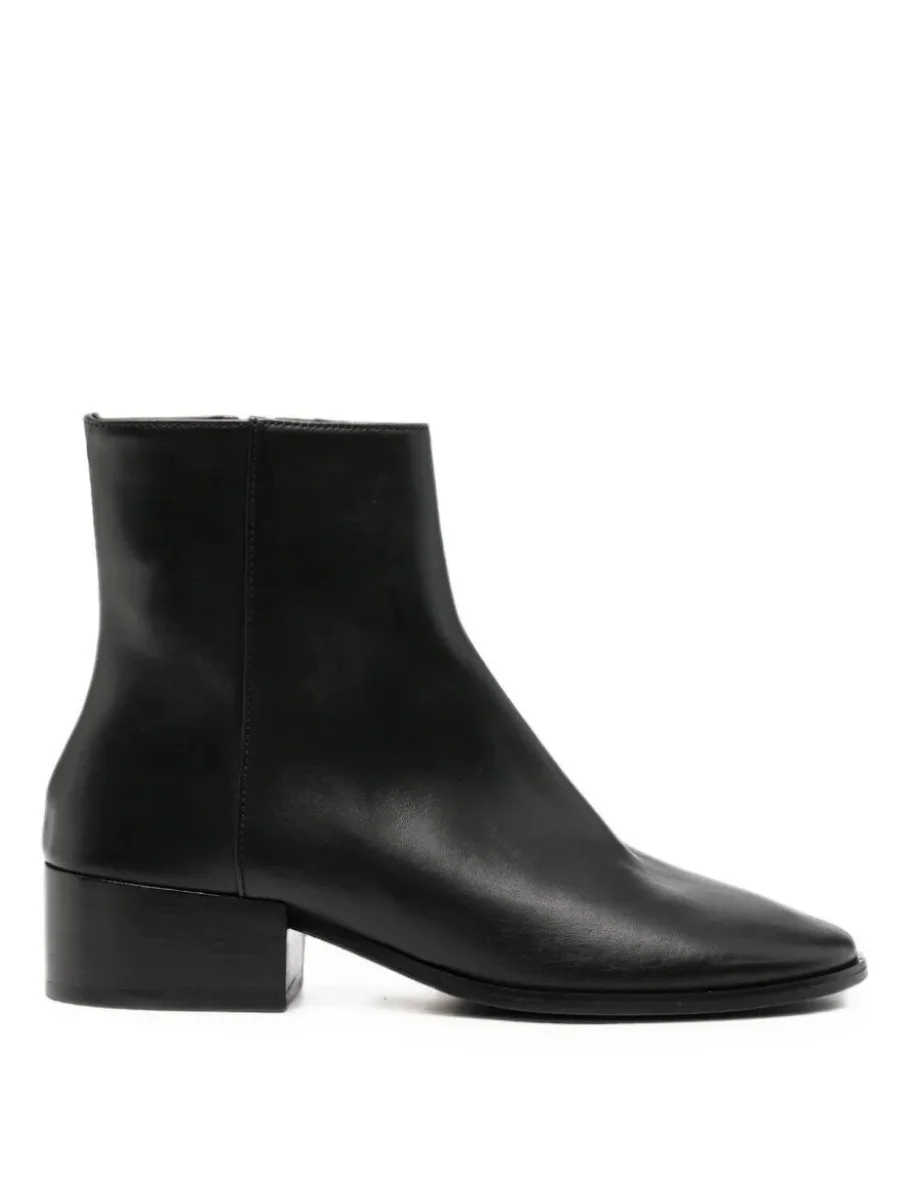
They use smooth grain calfskin and feature a soft round toe alongside a steady four-centimeter heel for comfortable walking.
A hidden side zip keeps the leather looking clean and stops freezing air from creeping in.
I wear mine to the office on Monday mornings and keep them on for drinks later that night.
If a zip-up style is not the right fit, a leather Chelsea boot with snug elastic sides gives the same look.
Another option is a knit sock boot, which fits closely under skinny or slim trousers.
This boot shape is great for a small closet because it replaces single-use shoes.
It is safer on icy streets than a thin heel but looks smarter than a regular sneaker.
Since it slips right under any pant leg or skirt, it easily connects your work outfits with your casual weekend clothes.
15. Over the Knee Boots: Winter Footwear Statement
Tall boots save your outfits when the weather turns freezing.
These Over The Knee Boots run up past the knee to provide an extra layer of built-in insulation for your legs.
Investing in a quality pair pays off. The high shaft slides right under your skirt hems, sealing out chilly drafts.
This specific beige tone keeps them from looking heavy, which helps balance out dark winter bases like pinstripe trousers or wine check pants.
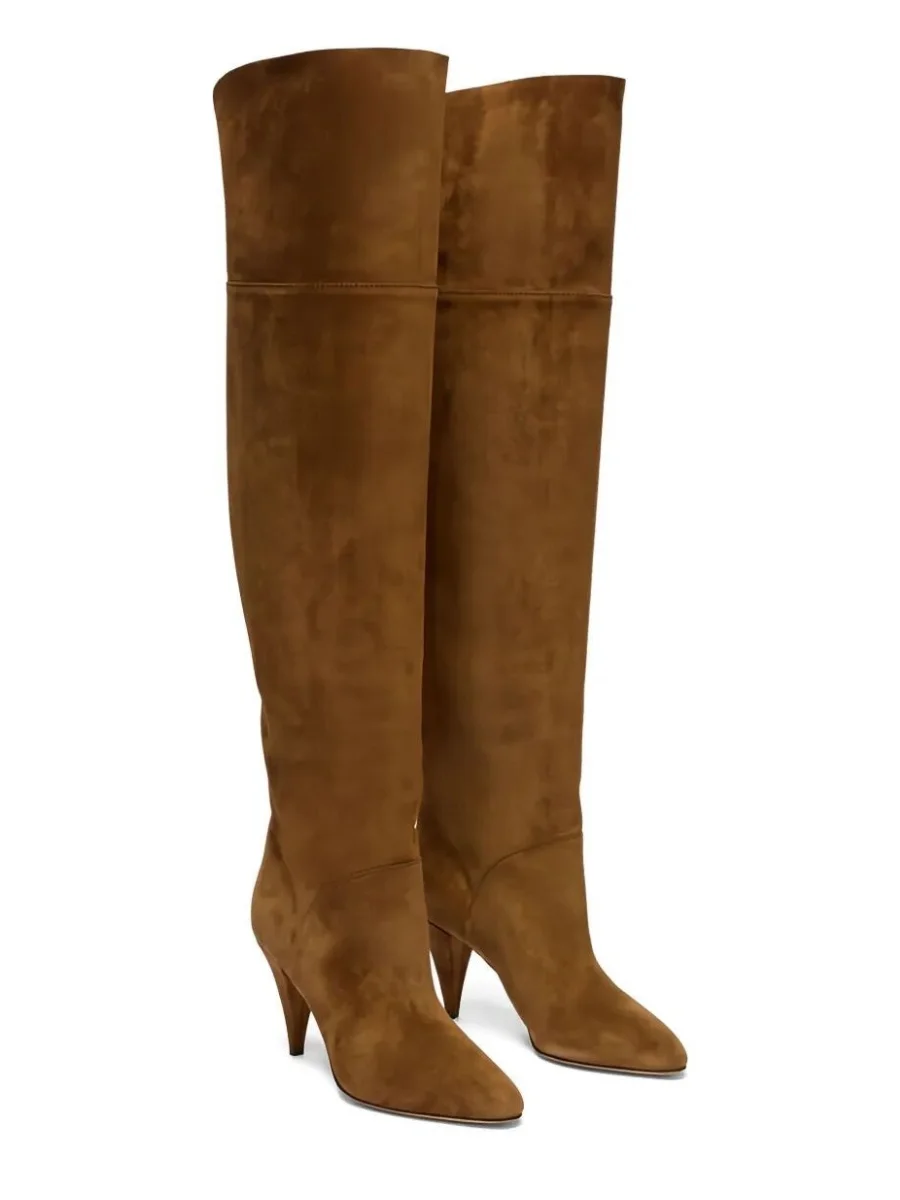
The stable eight-centimeter signature cone heel adds height without making you wobble.
Because the Italian-made calfskin leather hugs your leg closely, the fabric sits smooth under long layers. No bunching.
I prefer looking for options that let me slouch the leather down for a relaxed daytime vibe, but can still be pulled straight for a sharp dinner look.
If you are hunting for alternatives, look for a flat riding boot or a chunky block heel in chocolate brown.
Just make sure the material holds its shape so it does not slide down your calf while you walk.
The Hemline Rule: Check that the top of your boot sits at least two inches higher than the bottom of your skirt to stop the wind. If you want alternative fabrics, soft suede adds great winter texture, while stretchy faux-leather gives a tight, sock-like fit.
Winter Accessories: Scarves, Hats & Bags
Wearing the same heavy coat every day can make your outfits feel repetitive by mid-winter.
It is easy to get bored of your clothes when your outerwear hides everything else.
Choosing the right winter accessories changes how your coat looks without forcing you to buy multiple expensive jackets.
This group of scarves, hats and bags adds new textures and shapes to your daily routine.
A long wool scarf protects your neck and breaks up a solid-colored coat, while structured suede gloves block cold drafts from creeping up your sleeves.
Swapping a casual beanie for a firm wool hat keeps your hair neat and adds a clean frame to your face.
When you pick sturdy materials like grain leather for your bags, you get a reliable piece that protects your things from melting snow while grounding your entire outfit.
You can also expand your accessory choices by adding metal jewelry, simple leather belts, or sunglasses.
For a simple pairing idea, try matching the color of your leather handbag directly to your boots to instantly tie a split-color outfit together.
Thick metal chain necklaces add a bright touch against heavy wool sweaters, while a sturdy leather belt with a clean buckle helps pull your look together when tucking in thick layers.
Dark, classic sunglasses are also great for blocking the bright glare of winter sun on snow while keeping your outfit looking sharp.
16. Plaid Wool Scarf: Winter Accessory Pillar
A plaid wool scarf breaks up the flat, dark outfits that usually take over a winter wardrobe by January.
It is the only accessory that changes the silhouette of a basic winter coat while blocking freezing drafts from hitting your chest.
It saves you from wearing bulky inner layers just to stay warm.
This Plaid Design Rasti Scarf handles that job with its deep chocolate base and clean grid pattern.
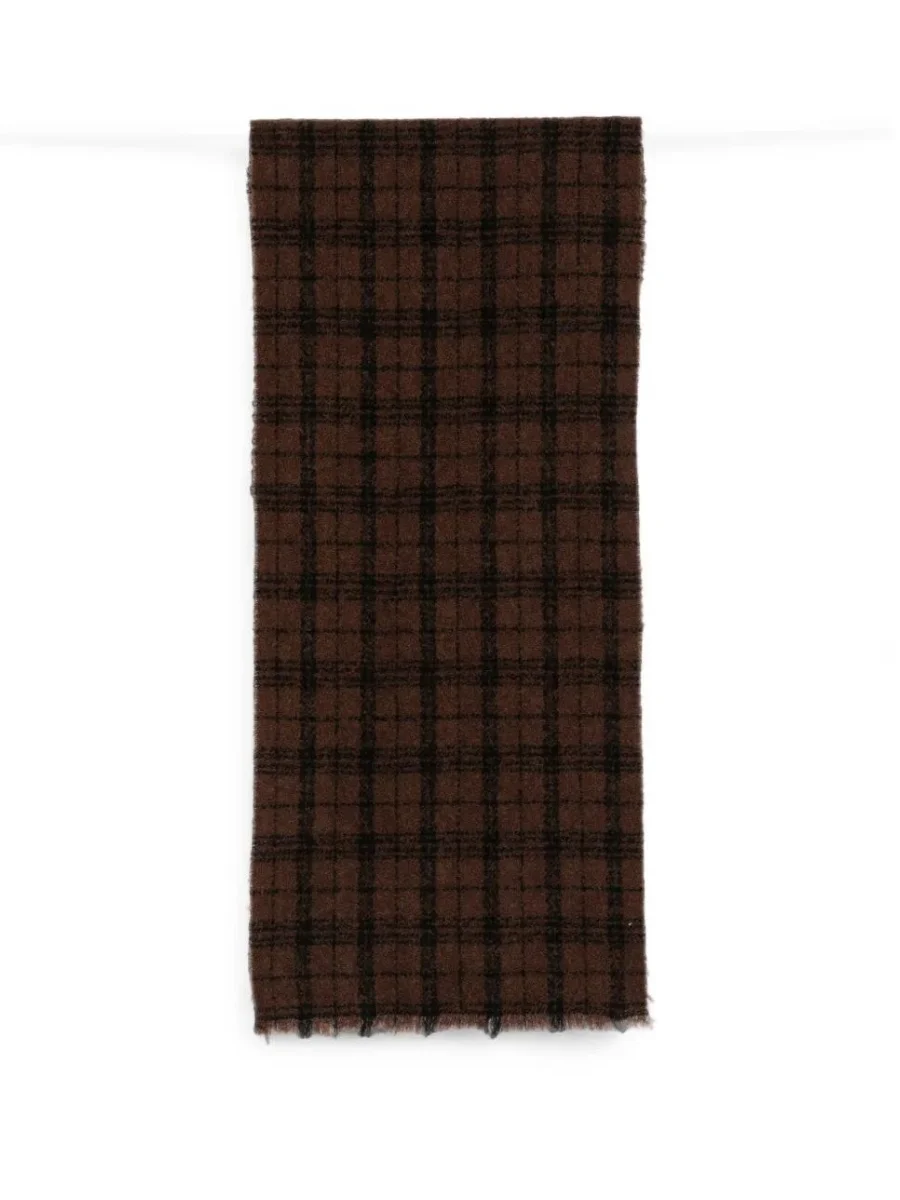
Picking a mid-weight blend with a bit of cashmere helps.
It makes the fabric feel soft against your throat instead of scratchy.
You get solid warmth without making your neck feel stiff.
A rich chocolate brown pattern with subtle grid lines works well.
It ties contrasting pieces together, connecting a dark pinstripe pant with a pale cream knit.
The length matters on windy mornings. You want something long enough to wrap securely but thin enough to tuck neatly inside a structured coat.
I like checking for styles with fine fringed edges.
That small detail makes a plain jacket look more thoughtful.
Sometimes a wide knit feels too big around your chin.
Try keeping your hair tucked into your coat collar or tied back in a low bun.
This opens up your neckline so you don’t look swallowed by your clothes.
If prints aren’t your style, you can get the same versatility by choosing a solid ribbed knit in camel or a thick charcoal herringbone weave.
Both options add clean texture to your daily rotation while keeping your outfits looking streamlined.
17. Long Gloves: Suede Winter Accent
Knit gloves let the cold air slice right through the fabric. Switching to a longer pair changes how you style your outerwear.
Long, elbow-length suede gloves look great with simple coats.
A piece like the Agnelle Opera Suede gloves keeps your hands warm and makes a basic outfit look more intentional.
The extra length makes these long gloves a great styling tool that covers your arms when a freezing wind kicks up.
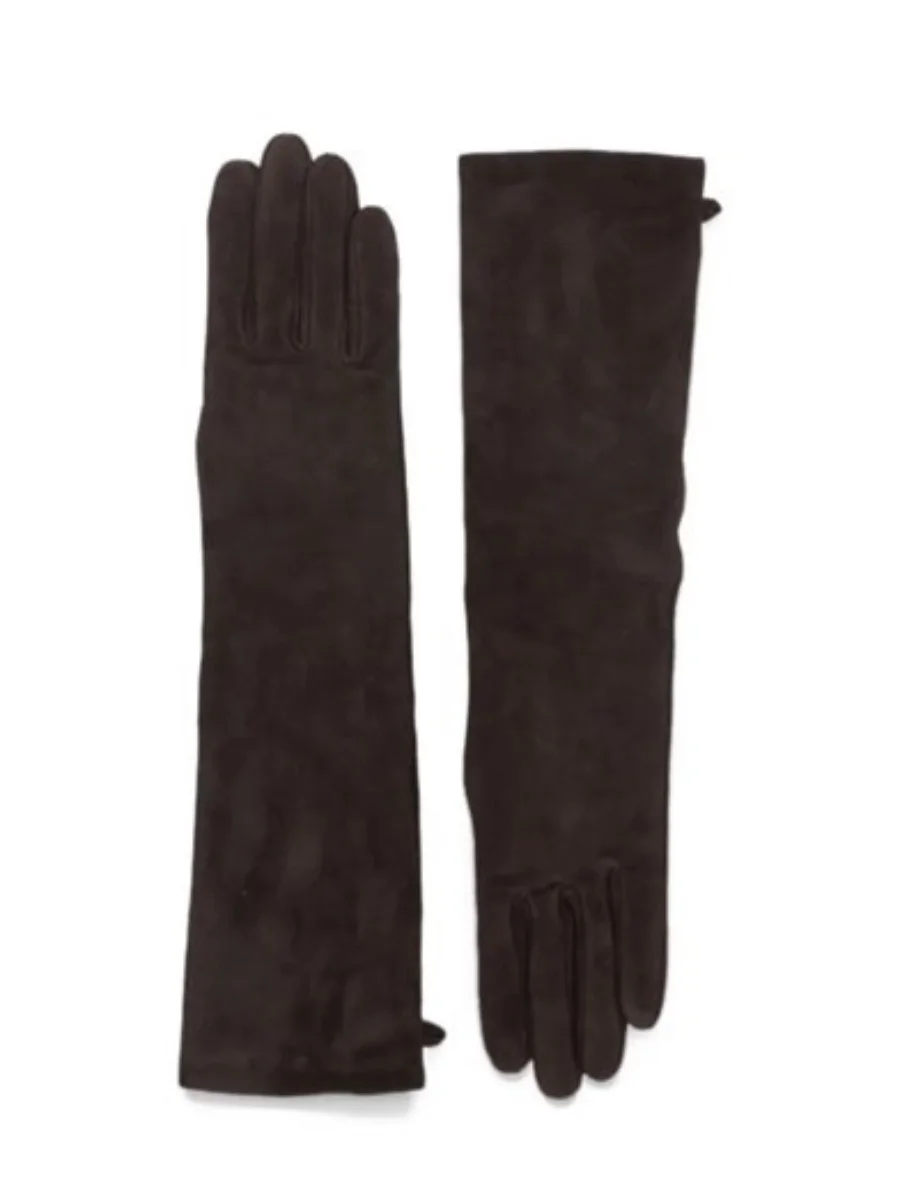
They slide right under the wide sleeves of a wool coat or the dropped shoulders of a tailored blazer.
A smooth silk lining blocks out raw drafts without adding thick bulk at your wrists.
These are an investment piece. Spending more here makes sense because high-grade suede and silk wear beautifully for years.
I actually like having a few different pairs of gloves in my rotation, like a short cognac leather pair for driving or these long black suede ones for styling.
They function just like a great handbag. The right texture switches up the mood of your coat.
It transforms a basic outfit from routine to styled.If this long style feels too dressy for your daily routine, a regular wrist-length suede pair or a classic leather option gives you the same protection.
Just make sure your final choice works with touch screens so you can text without freezing your fingers.
The Sleeve Rule: When wearing long gloves during the day, scrunch the fabric down around your wrists instead of pulling it smooth up your arm. This keeps the look casual and matches the relaxed fit of winter sweaters.
18. Flat Hat: Weather Protection Accent
Beanies are fine for casual weekend runs, but they can flatten your hair before a work meeting—a frustrating hurdle if you are trying to preserve structured hairstyles or curated outfits with braids.
Choosing a structured Flat Hat shields you from sudden sleet without messing up your look.
Buying a premium wool or felt version is a smart choice because a solid crown holds up against heavy wear.
I like to keep a light natural beige tone in my own rotation to lift dark winter base pieces.
The pale color stands out against a charcoal blazer or wine check trousers without clashing.
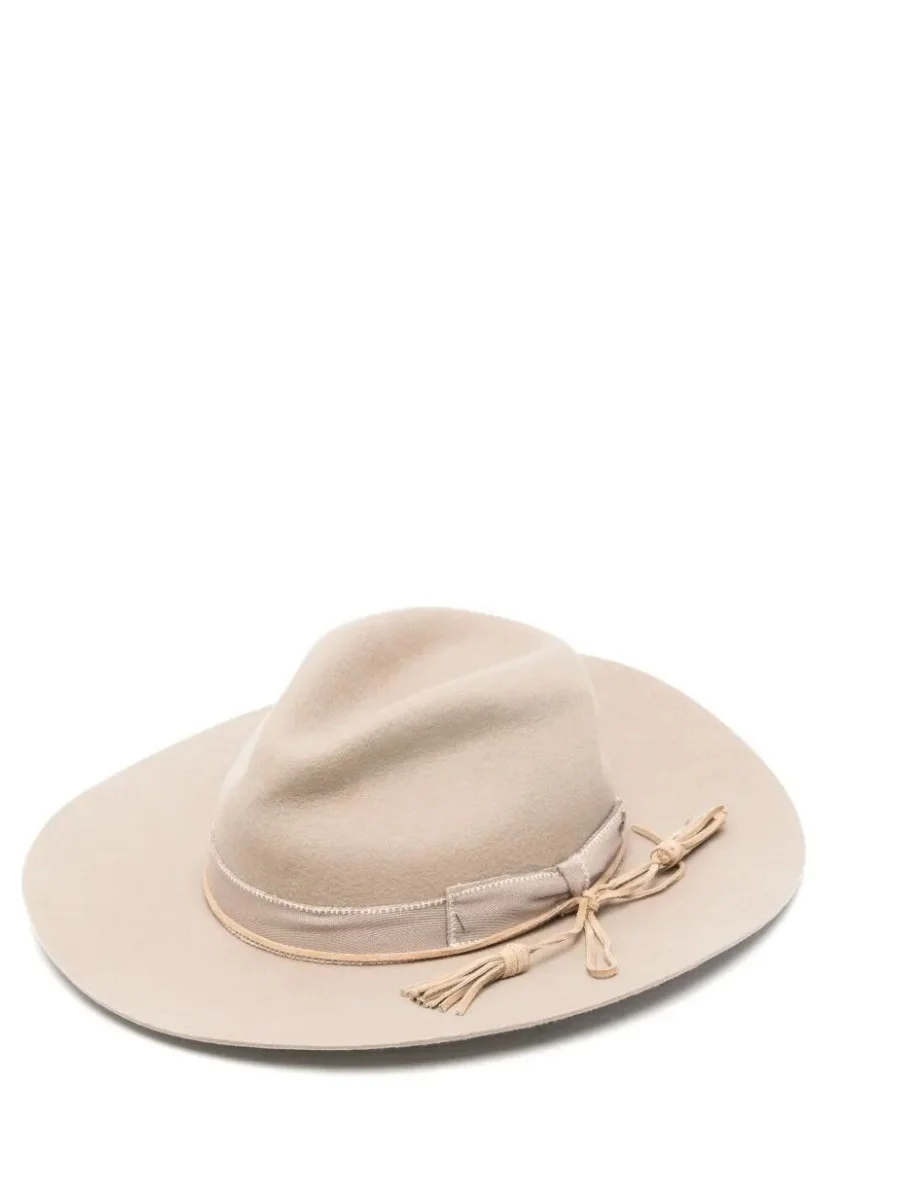
When you browse for alternatives online, look for a firm, stiff brim that stays flat in a stiff wind.
Make sure your jacket collar sits flat. A bulky collar pushes the back of your brim forward when you walk, which gets annoying fast.
Styling a wide-brim hat works best when you pair it with long, clean lines.
It looks great with an open funnel neck coat or a tailored blazer, keeping your outfit balanced rather than top-heavy.
If a wide shape feels too bold for your style, a simple wool beret or a thick cashmere cap gives you that same warmth while keeping your outline clean.
For a more relaxed setting, a structured baker boy cap or a sleek wool bucket hat in a cream shade offers a great down-to-earth vibe that protects you from the elements while looking great.
19. Leather Handbag: Daily Carry Pillar
Winter weather demands a lot from a bag. Between sudden sleet and stuffing extra gloves inside, a flimsy tote fails.
A structured Flap Bag made from tough cowhide keeps your things dry and stays upright when set down.
The Leather Handbag shows why a simple outline works best.
Black leather acts as a grounding anchor for a small closet, tying a pale cream sweater directly to dark winter boots.
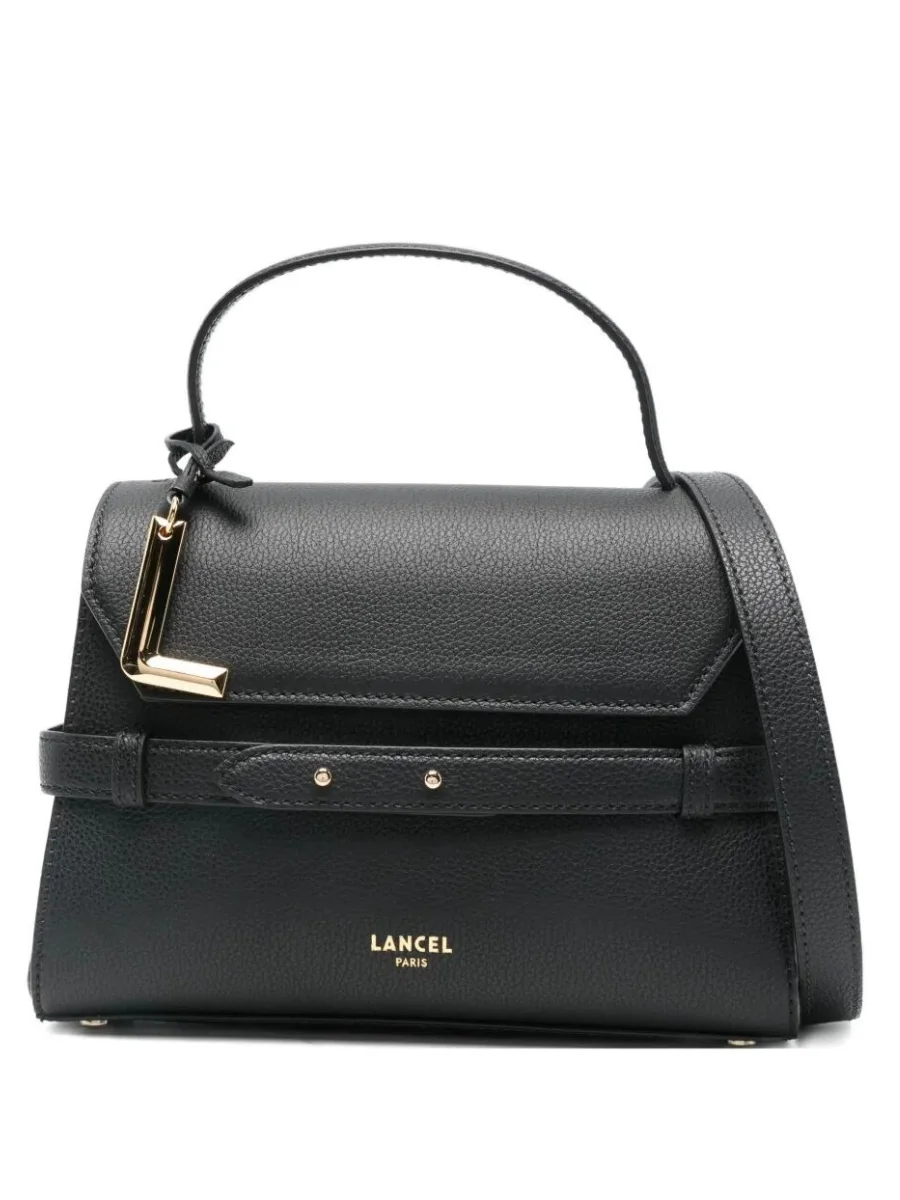
I always look for a secure flap with a sturdy lock to block out melting snow on the move.
A detachable strap helps too. You can throw it cross-body over a heavy wool coat for morning commutes, then drop the strap for dinner.
If boxy designs feel too rigid, a thick leather bucket bag or a deep saddle pouch in rich espresso brown offers that same reliable storage.
Final Thoughts on Building a Winter Capsule Wardrobe
Putting together a winter closet comes down to checking fabric tags and sticking to a simple color balance.
It took me a long time to realize that buying heavier, chunkier sweaters wasn’t the answer to staying warm.
The real difference happens with thin base layers and wool blends that actually block the wind.
Cold weather also gives you an advantage that summer dressing lacks: accessories.
Winter is the only season where you can layer on leather gloves, thick wool scarves, beanies, and structured belts all at once.
Choose accessories that contrast with your coat—like a bright cashmere scarf against dark wool or a heavy metal belt over a knit dress—to instantly change the whole look of an outfit you’ve worn a dozen times.
When you have a few reliable pieces that line up correctly, dressing for bad weather gets a lot easier.
You spend less time staring at your closet and you don’t have to overheat the second you walk indoors.
Take a look at what you already own, focus on the materials that keep you warm, and use your accessories to switch up the look.
What is the one item you rely on most when it drops below freezing? Let me know in the comments.
When the weather warms back up and you cannot rely on scarves or coats, my guide to summer outfits shows how to let breathable fabrics and clean tailoring carry the look instead.
With elegance,
Bella Quintero
