How to Look Expensive on a Budget: 7 Rules for a Chic Style
I have been thinking about why women want to learn how to look expensive.
Is it a desire to wear clothes that cost thousands of dollars, hoping a high price makes us feel more valuable?
I think that is not the case.
Disclosure: This post contains affiliate links. I may earn a small commission at no extra cost to you.
If you want to learn about creating an elegant outfit and how to dress classy, I have put together a guide of 7 simple rules to help you fix your closet without spending too much.
Looking polished creates an immediate positive impression, as people naturally associate an elegant appearance with reliability, competence, self-discipline, and high personal standards.
While I agree that looking expensive can act as a shield against poor customer service or neglect, I believe these social advantages are secondary.
For me, the true desire to look expensive stems from a pursuit of beauty. It is about aesthetics: an expression of personal taste, elegance, and refinement.
Let us be honest—the majority of us cannot afford high-end luxury fashion labels and designer accessories. But that does not mean we cannot capture the exact same sophisticated vibe. By leveraging affordable luxury brands, you can easily maintain a high-end chic style on a budget. Mastering this aesthetic shows up in the fabrics we choose and how they fit. Clothes that skim your frame properly—or are tailored to fit—always look more refined than oversized or pulling garments.
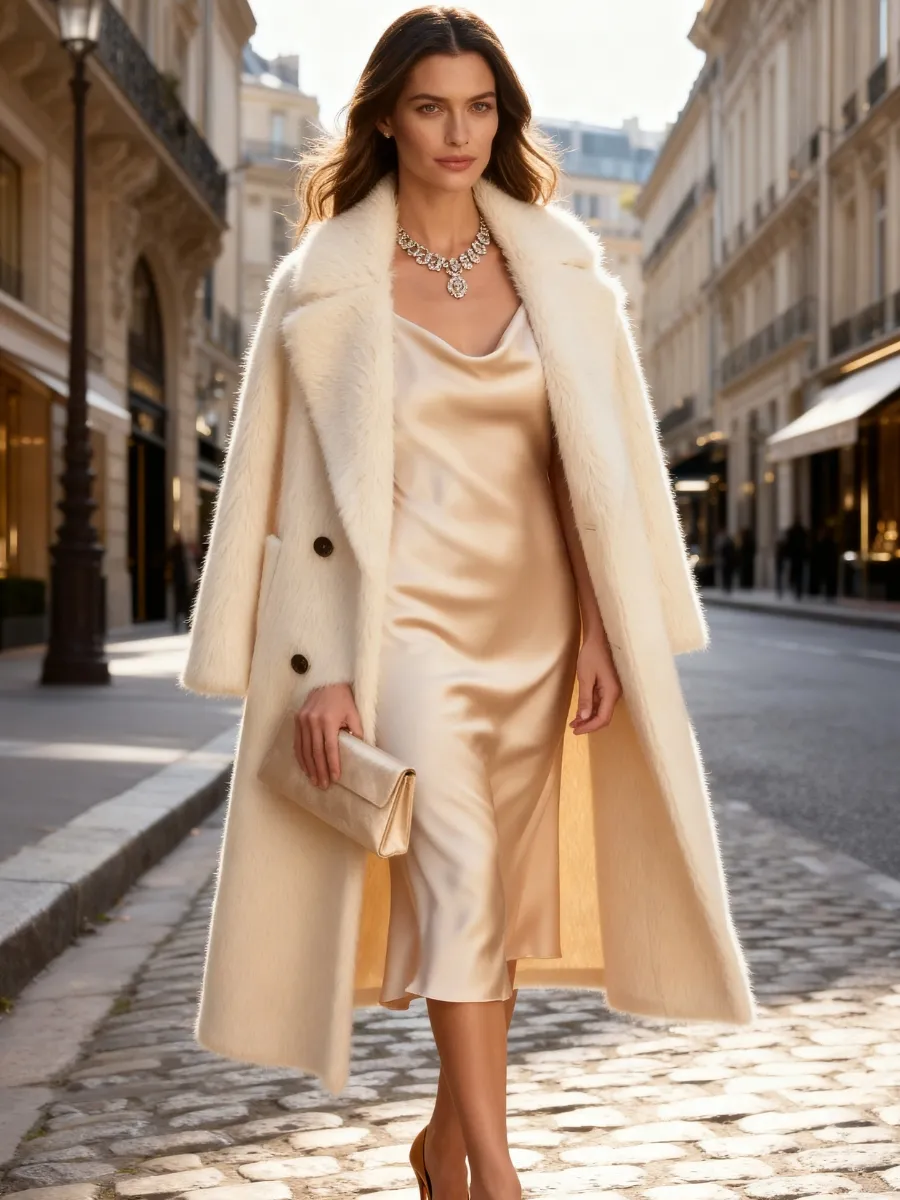
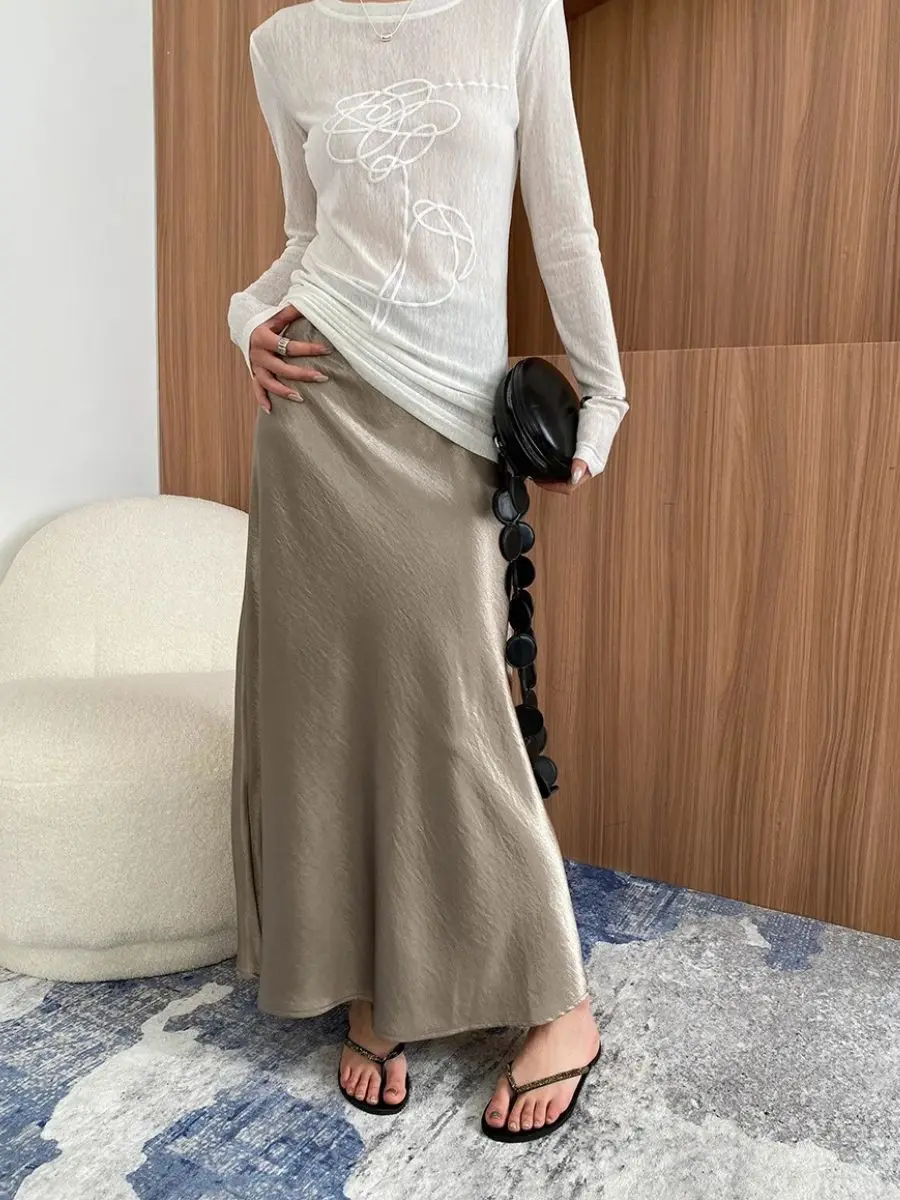
A champagne satin midi skirt will either look like a luxury boutique piece or a cheap nightgown depending on its weight and cut.
If it is cut on the bias and has enough density, the fabric flows over the hips without bunching.
But if it is a low-grade, thin weave, the fabric generates intense static electricity and sticks to your legs.
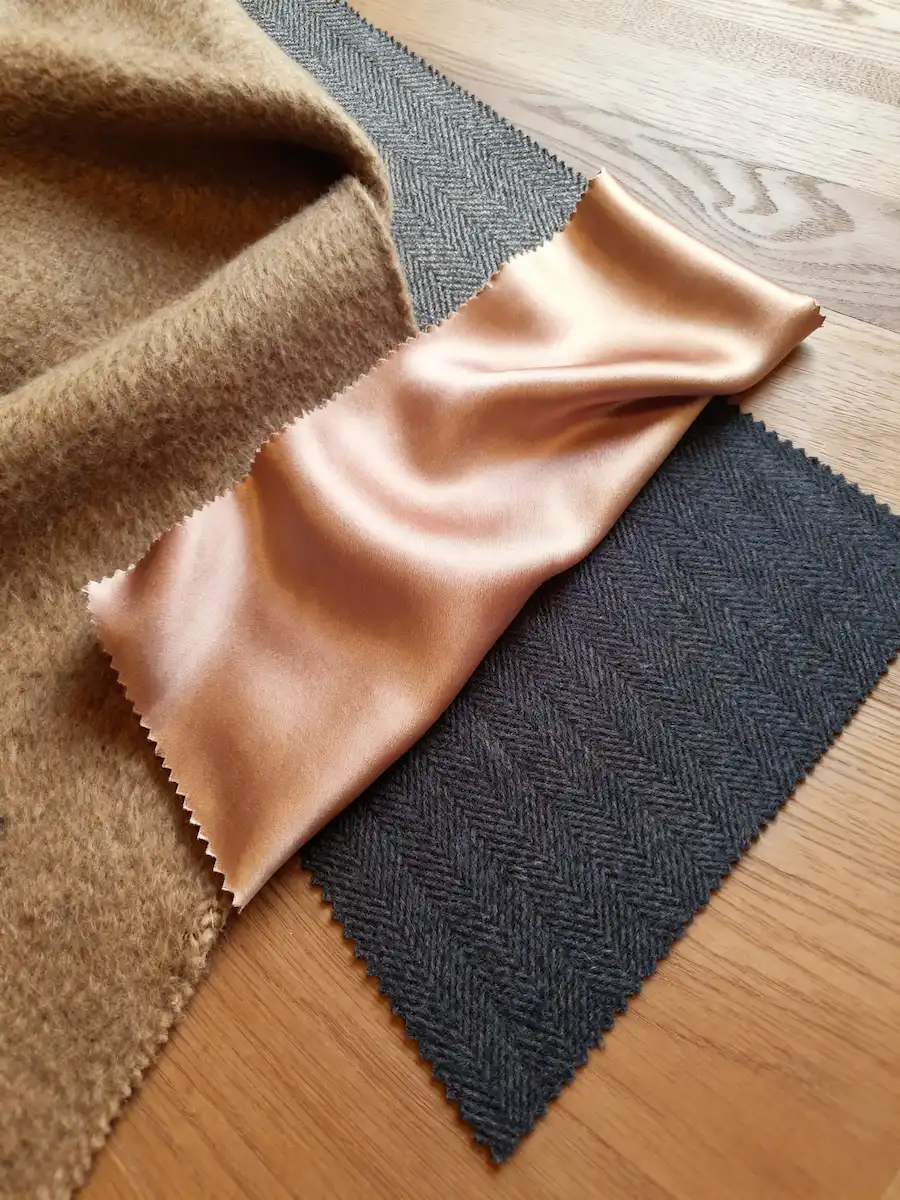
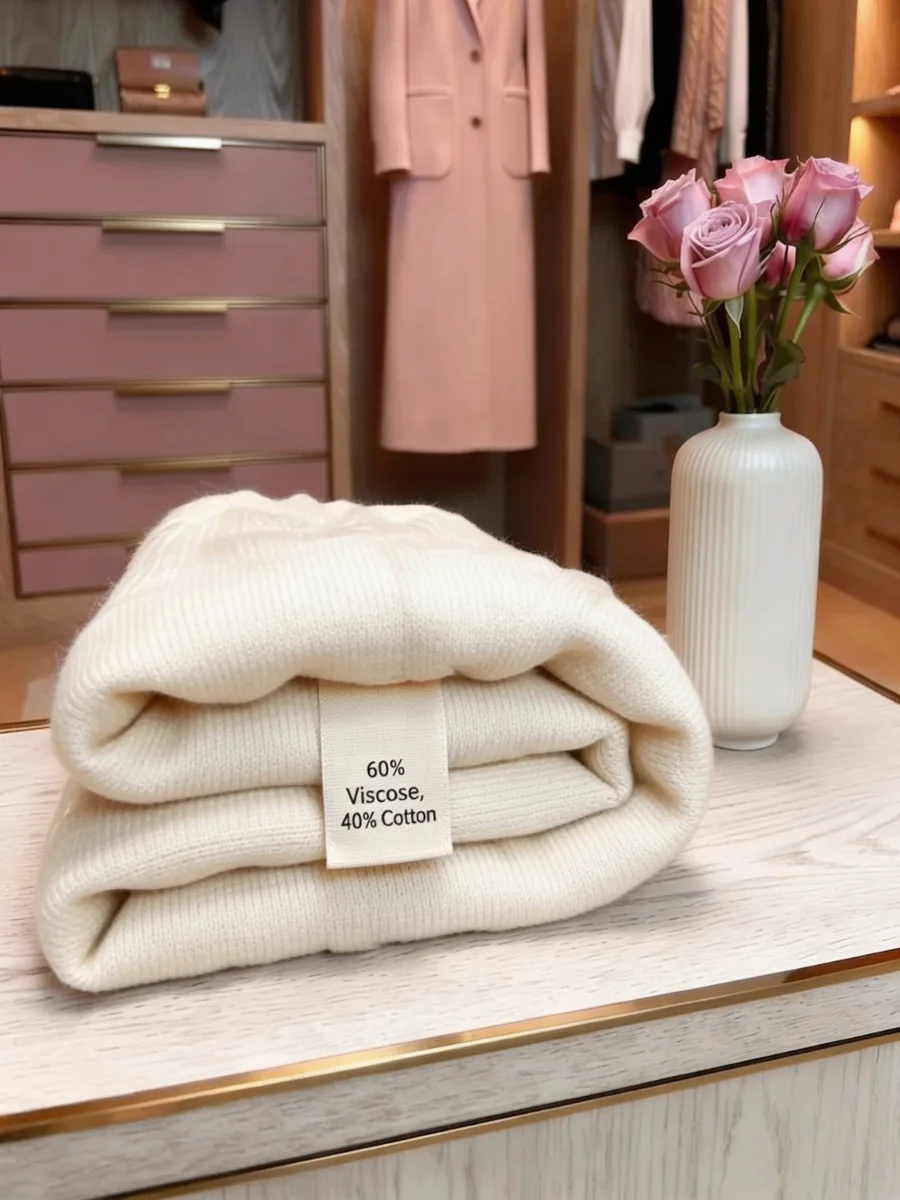
Spotting these textile traps is the secret. This means avoiding 100% shiny polyester that reflects artificial light like plastic, and instead checking inner tags for modal or viscose blends that mimic the fluid drape of silk, or opting for 100% natural fibers when looking for high quality basics.
High-end style comes down to physical structure.
When you focus on heavy fabric blends and structured accessories that stand upright on a table, the original cost of the garment becomes invisible allowing you to create expensive looking outfits.
A great way to implement these steps is by organizing your essentials into a versatile
capsule wardrobe checklist that guarantees you look polished every morning.
(For specific ideas on matching these pieces with textured hair signatures, browse my lookbook on
outfits with braids.)
Quick Reference: The Affordable Luxury Cheat Sheet
I use these specific maintenance tools from
AliExpress because they are an easy way to save money on basic wardrobe fixes. In many cases, these unbranded items seem to work just as well as expensive retail versions without the heavy markup. While quality can vary across budget platforms, choosing the right basic tools can deliver great, professional-looking results at home. This checklist breaks down common clothing problems and the fixes I use to try to solve them.
Rule #1: Why Fabric Care Matters More Than the Price Tag
The most expensive clothes look cheap if you don’t take care of them. On the other hand, an affordable piece can easily look high-end if it is kept in great condition. True style always comes down to how much effort you put into maintaining your clothes and preserving their fabric quality.
Pro Tip: I once ruined a beautiful $150 wool-blend coat by using a traditional iron that left a permanent shiny scorch mark on the sleeve. That was the day I realized that using the right care tools is completely non-negotiable if you want your clothes to last.
Use a Handheld Fabric Steamer, Not an Iron
Traditional irons can easily crush delicate fibers or leave an artificial shine on fabrics like polyester and rayon. That glossy look instantly gives away a lower price point. I use a handheld steamer instead because it smooths out wrinkles while letting the fabric hang naturally.
If you are looking for a reliable option, a foldable
handheld fabric steamer works incredibly well for both busy mornings at home and travel.
Because it folds down, it takes up almost no space in a suitcase or closet.
With 1000W of power, it heats up in seconds and handles heavier fabrics like wool blends while remaining gentle enough for delicate satin slips. Using it is a quick, practical shortcut to make a budget blazer look like it was professionally pressed.
De-Pilling: A Simple Fix for Knitwear
Affordable sweaters are notorious for pilling, but spending five minutes cleaning up the surface makes them look brand new. Even high-end knitwear pills in high-friction areas over time. The main difference between a polished wardrobe and a neglected one is simply taking a minute to maintain a smooth surface.
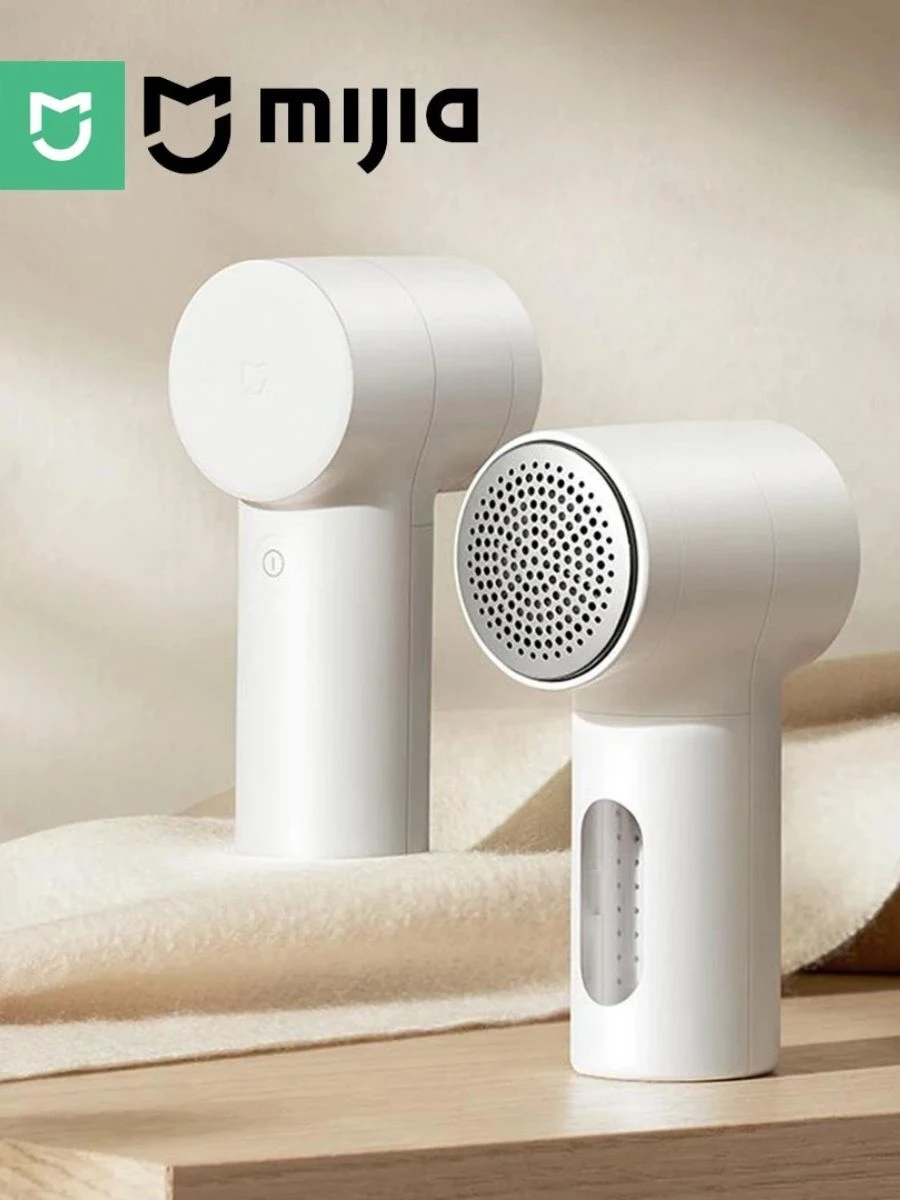
To fix your favorite winter sweaters, look for a rechargeable 6-blade digital fabric shaver. Instead of relying on cheap three-blade models that easily catch and rip fabric threads, a model with an upgraded cutter head offers a much better, smoother trim. The protective steel mesh lifts stubborn fuzz without damaging regular wool or acrylic threads, making it easy to refresh your everyday knits.
Rule #2: Wear Monochromatic Outfits to Look Expensive
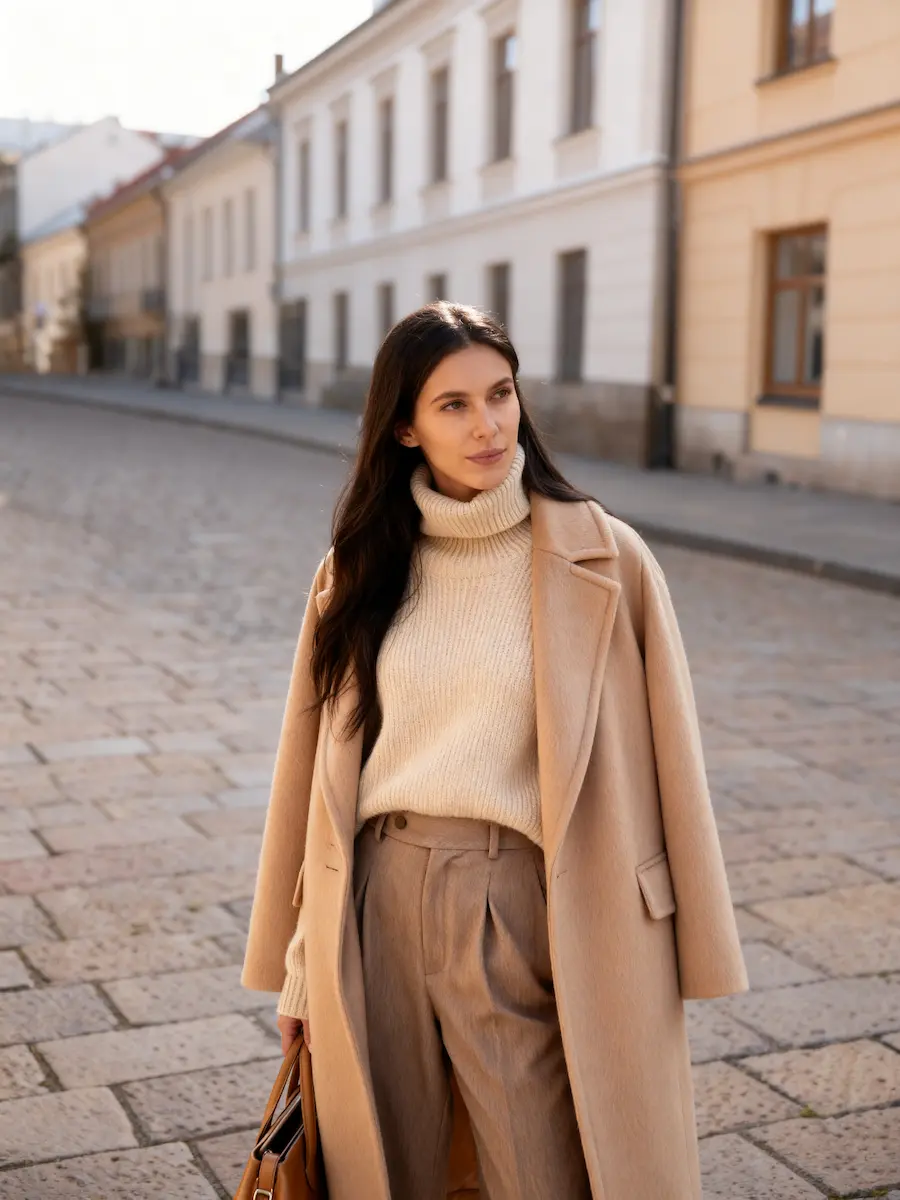
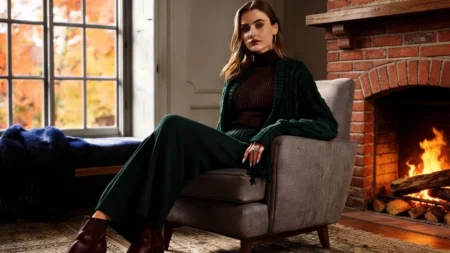
Dressing in a single color family is the fastest way to make an outfit look intentional and tailored. When you wear varying shades of the same tone, it creates a clean vertical line that automatically makes the entire look appear cohesive. Mastering this monochromatic approach is one of the easiest ways to put together classy outfits for women without spending a fortune.
Removing the distraction of contrasting colors shifts the focus entirely to how your clothes fit and how the materials look. This simple styling trick easily softens the affordable origins of individual pieces. For example, a basic sweater instantly looks better when you pair it with matching trousers.
The "Expensive Color" Strategy
Not all colors look equally good when shopping on a budget. Certain shades are risky for affordable retailers because cheap dyes are difficult to get right on synthetic or blended fabrics. To keep your style looking clean, focus on these three safe neutral groups:
- Creams and Oatmeals: These soft shades always look richer than stark white, which often looks blue-toned and artificial under office lighting.
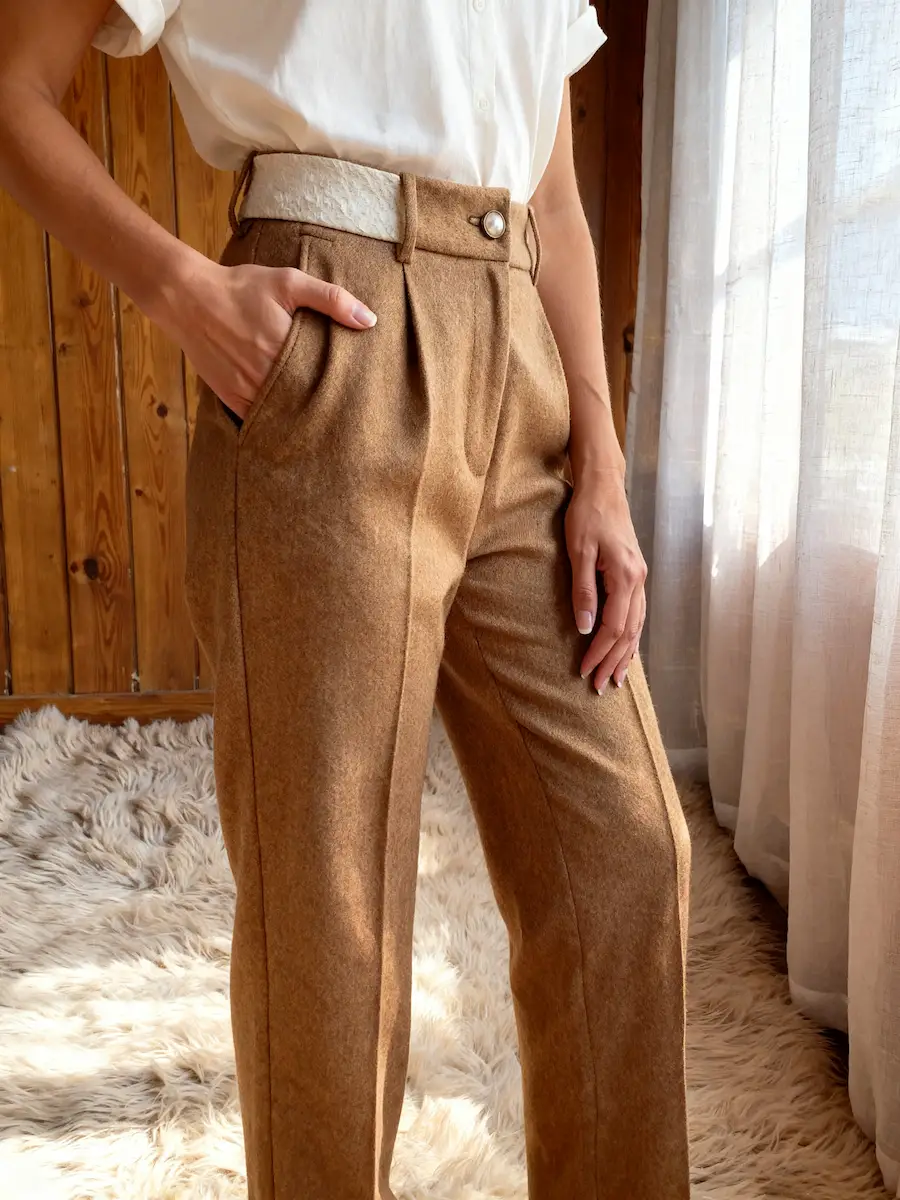
- Camel and Cognac: These are the traditional colors of luxury leather and wool. Even in faux fabrics, these warm shades look high-end and age much better.
- Charcoal and Navy: These deep tones are much safer than cheap black dyes, which often look purple or green in natural sunlight.
Mix Textures for Visual Depth
For example, pairing a thick wool-blend sweater with a lightweight satin skirt creates a beautiful contrast. I love layering these two specific textures because the heavy, cozy knit balances out the fluid look of the satin. When I wear this combination in a soft cream or charcoal tone, the outfit looks effortless and intentional. The simple trick works well because of how natural light interacts with the different surfaces.
If you want to try the following look, a high-density satin midi skirt is a perfect foundational piece. Many budget skirts feel thin and static-heavy, but looking for a heavier weight with a clean bias cut will allow the fabric to flow gracefully without clinging to your body. Choosing this item in a rich neutral like champagne or classic black is an easy way to build a chic wardrobe.
Rule #3: Swap Cheap Buttons for a Chic Style
One of the most overlooked details on budget clothing is the trim. High-street blazers and coats are often made from decent fabrics, but retailers cut costs by using lightweight, shiny plastic buttons. This glossy, hollow finish is the first thing that makes an affordable jacket look cheap.
The easiest test is to touch the hardware. If the buttons feel completely weightless or look like toy plastic, they drag down the entire silhouette of the garment.
The 10-Minute Luxury Upgrade
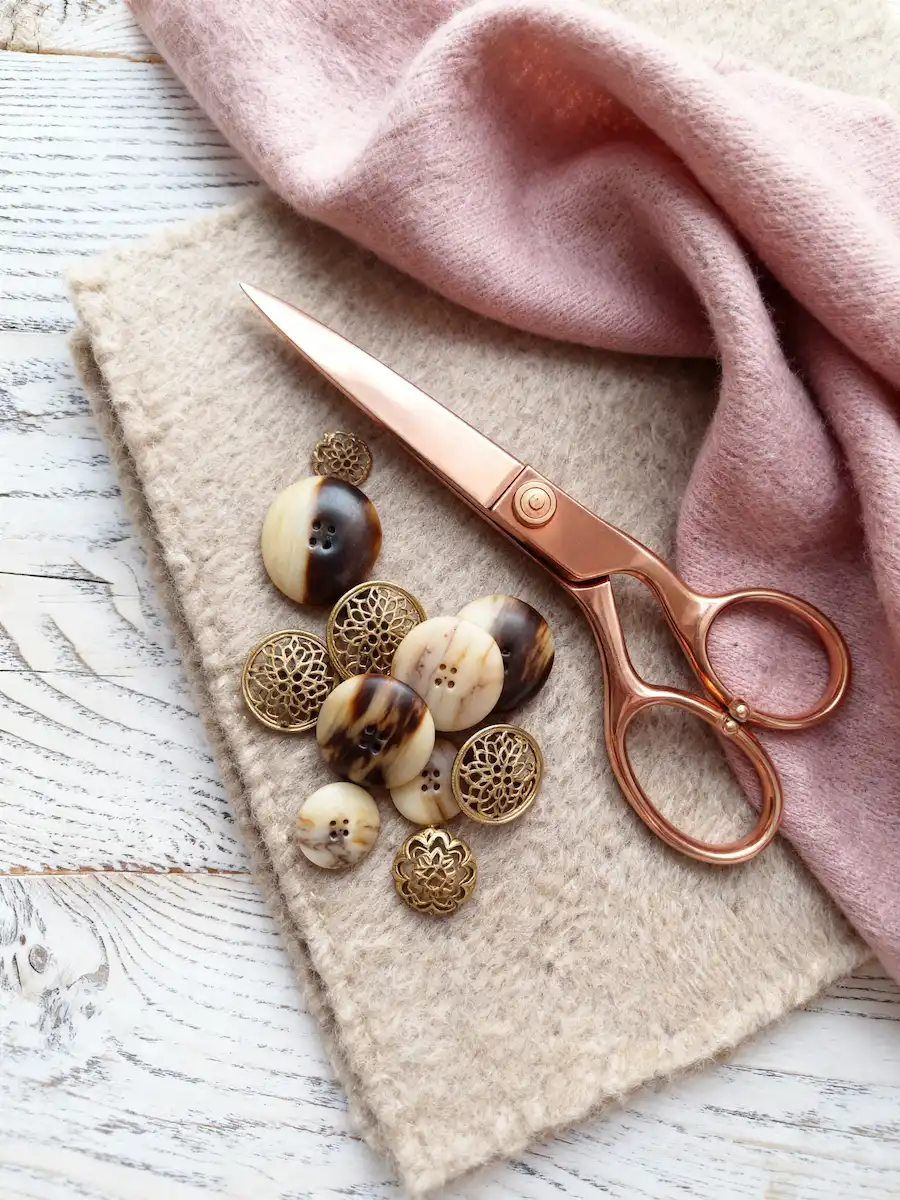
You can easily upgrade an affordable blazer by simply swapping out the stock hardware. High-end garments use heavy, natural materials like horn, mother-of-pearl, or brushed metals. These options have real physical weight and a clean matte finish that catches natural light subtly rather than creating a cheap glare
To try this at home, look for matte resin horn-pattern buttons or a set of brushed gold metal buttons. They easily mimic the natural grain and weight found on expensive designer tailoring. When you buy your button sets, make sure to sew one of your new spare pieces directly onto the inside lining of your jacket so you always have a replacement ready. Swapping these onto a basic blazer is a quick, practical DIY trick that completely changes how expensive your clothes look.
Rule #4: Avoid Floppy Bags and Shoes For Classy Outfits
Expensive accessories always hold their shape, even when they are completely empty. On the other hand, cheap bags and shoes often collapse or sag because factories use thin, unreinforced materials to save money. Floppy pieces are an immediate giveaway of a lower price point. If you want your accessories to look high-end, prioritizing solid construction will help you put together expensive looking outfits
.You should always look for items that can stand up securely on their own. This rule is foundational when studying how to look expensive on a budget.
The Handbag Rule
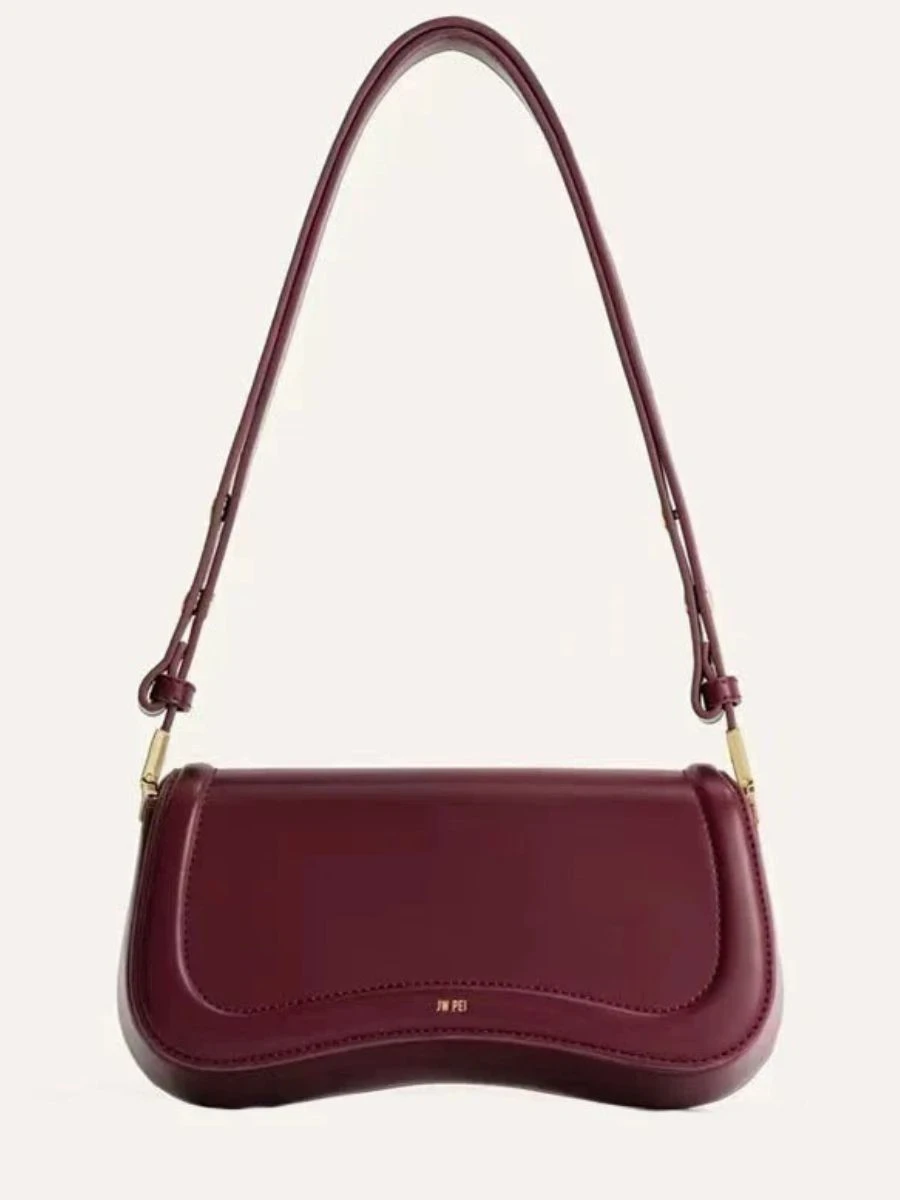
Flimsy bags tend to sag and cave in, which instantly makes an outfit look messy. When you are browsing budget options, stick to stiff faux-leathers, thick canvas, or sharp boxy styles. These stiffer materials hide the low price tag and keep your whole look sharp.
If you want to try this look, a minimalist shoulder bag is an excellent option. A bag with a clean profile and no loud logos looks naturally sophisticated. Finding a model with an adjustable strap and a firm faux-leather finish gives you a steady shape that ties your whole outfit together
Related Reading: If you are sourcing structured transit pieces for him, explore my curated guide featuring the best gifts for men, including leather bags and luggage that hold their shape over decades.
The Pointed-Toe Shape for Shoes
Shoes are the foundation of your entire outfit, and the shape of the toe heavily changes how polished you look. Rounded toes or thin, flimsy ballet flats can often appear a bit too casual or juvenile. To create a cleaner line, prioritize a pointed toe or a sharp square toe instead.
A pointed-toe pump in a soft neutral is a classic closet staple because it forms a seamless line that visually elongates your legs. A beige pointed-toe block heel is highly practical for everyday wear. Choosing a modest 2-inch heel gives you a comfortable lift for a full day of walking while maintaining a sophisticated matte finish.
Rule #5: How to Look Polished by Taking Care of Your Clothes
One of the most effective ways to look polished is to simply protect the items you already own. The most stylish outfits look cheap the moment they are covered in scuffs, dust, or lint. Taking consistent care of your clothing and accessories is what makes an affordable wardrobe last for multiple seasons.
Protecting Your Leather and Fabrics
Dust and scuffs are the easiest ways to ruin an outfit. A scratched heel or a dusty handbag instantly breaks your style line. Using a basic leather conditioner on budget bags and shoes is a quick fix. It hydrates the material and gives it a clean finish that mimics much more expensive leather.
To keep your items in top shape, a reliable
leather maintenance cream is an excellent addition to your closet. It works well on shoes, bags, and belts to restore moisture and prevent cracking over time.
For your closet space, using
natural aromatic cedar hang ups is another simple solution. They naturally protect wool and knitwear from moths while giving your clothes a fresh, subtle scent that feels much cleaner than chemical mothballs
Rule #6: Read Fabric Labels to Learn How to Look Classy
To truly master budget fashion, you must pay close attention to what your clothes are actually made of. Better-quality materials drape naturally on the body and age much better over time. You should always check the inner care tag before buying any clothing item online or in a retail store.
Good Fabric Blends vs. Cheap Synthetics
You do not need to buy expensive, pure natural fabrics to look polished. Most budget-friendly clothes rely on synthetic blends, and many of them look fantastic if you choose the right ones. The key is knowing what to check for on the care label:
- Look For: Cotton-Polyester blends, Viscose (Rayon), and Modal. Viscose and modal are semi-synthetics that drape beautifully, mimicking the fluid look of expensive silk. Blending polyester with cotton helps a basic t-shirt or blouse hold its shape and resist wrinkling without looking shiny.
- Avoid When Possible: 100% shiny Polyester or high percentages of cheap Acrylic. Pure, low-grade polyester often has an artificial, glossy reflection under direct sunlight that instantly looks cheap. High acrylic blends tend to pill quickly and generate intense static electricity, causing the fabric to cling awkwardly to your body
Finding affordable basics made from 100% cotton is a great way to build a high-quality wardrobe. Good
cotton t-shirts and tops have a heavy, opaque finish that looks identical to high-end boutique pieces. Focusing on these quality textiles makes it easy to assemble classic style outfits and create expensive-looking, classy outfits for women while hiding the fact that you bought them on a budget.
Rule #7: Budget for Professional Tailoring to Always Dress Classy
Mass-market brands design their clothes for an average size chart, which means off-the-rack pieces rarely fit anyone perfectly. Setting aside an extra 20% of a garment’s price tag for basic professional tailoring is the absolute fastest way to make cheap clothes look expensive. When a jacket or a pair of trousers fits your specific proportions, no one can tell how much you actually spent.
Investing in these small adjustments is the secret if you want to learn how to look classy on a real budget.
A perfectly adjusted shoulder line or a slightly hemmed waist looks intentional. It makes a budget purchase look personalized.
Quick Adjustments for an Instant Fit
If you aren’t ready to visit a tailor, you can use a few quick tricks to mimic a custom fit in seconds. For trousers that are slightly too long, high-strength fabric tape is a lifesaver for last-minute adjustments.
The Fabric Tape Warning: Always test fabric tape on a hidden inside hem first. Some high-strength adhesives can leave a sticky residue behind on delicate or light-colored satins. Checking this first ensures your clothes stay pristine while you test out the temporary fit.
A roll of
professional double-sided fashion tape is a standard tool to keep in your closet. Look for a high-performance style that is strong enough to hold heavier materials like denim hemlines, yet gentle enough to use on thin blouses so your layers stay flat, secure, and looking expensive all day long.
Final Thoughts: How to Look Expensive on Your Own Budget
Putting together an expensive-looking wardrobe on a budget simply comes down to patience and smart choices. It means moving away from disposable, poorly made fast fashion and focusing instead on a small collection of items that you treat with real care.
Knowing how to look expensive on a budget is a practical skill that grows the more you pay attention to the little details.
By using proper fabric maintenance, choosing clean monochromatic tones, swapping out cheap hardware, and adjusting the fit,
you can easily maintain a high-end chic style using basic pieces.
True luxury is never about how much money you spend at the store. It is always about how much care and attention you give to the clothes you already own.
If you want to expand these daily habits beyond your closet, you can also explore my complete guide on
modern etiquette rules to see how to handle dining setups, digital spaces, and travel with the same quiet ease.
Affordable Luxury Fashion: Curation & Style Guides