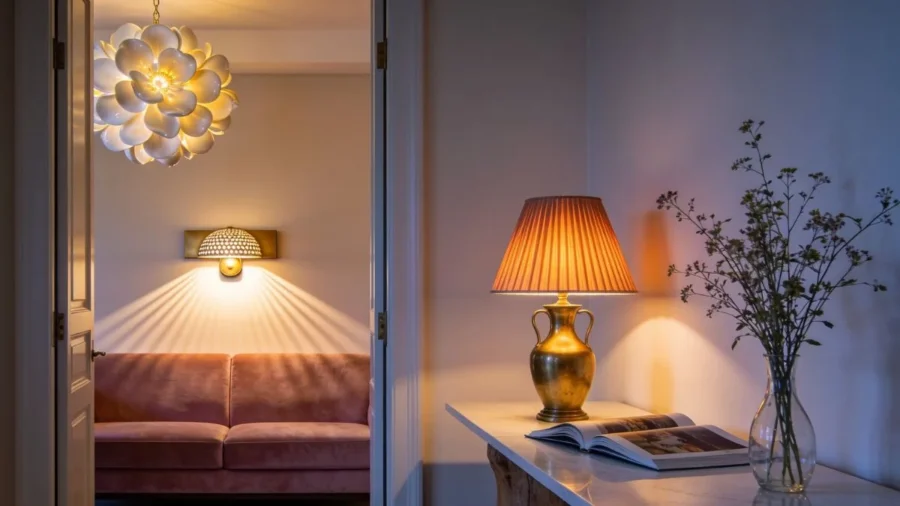
Lighting is the invisible architecture of a home.
Yet, so many homeowners spend months selecting the perfect velvet sofa or linen drapery panels, only to wash the entire space out with a single, harsh overhead ceiling bulb.
Disclosure: This post contains affiliate links. I may earn a small commission at no extra cost to you.
Flat, unlayered illumination instantly flattens your room’s dimensions, deadens expensive paint undertones, and makes beautifully curated furniture look stark cold.
If you want your home to look truly polished, you must learn how to layer lighting across your rooms.
By shifting your focus from pure utility to spatial depth, you can eliminate cold corners, highlight rich textile textures, and dictate the precise mood of your living spaces.
The Golden Ratio of Ambiance:
- 80% Ambient light for baseline warmth
- 15% Task light for focused visibility
- 5% Accent light for structural drama
Mastering the geometry of light placement is the ultimate home design skill to resolve a flat room layout.
To see how these shadow layers interact with high-density materials and vintage textures, explore our guide on using old money home decor styling rules to anchor a room’s physical layout.
In this guide, I will share the exact step-by-step formulas to transform your interiors into balanced, inviting environments.
Simple Room Transformations
- Setting the Base With Ceiling Fixtures
- Styling Functional Wall Sconces and Reading Lamps
- Elevating Table Surfaces With Luxury Stones
- The Quick Spacing Cheat Sheet
- How to Layer Lighting: Common Questions
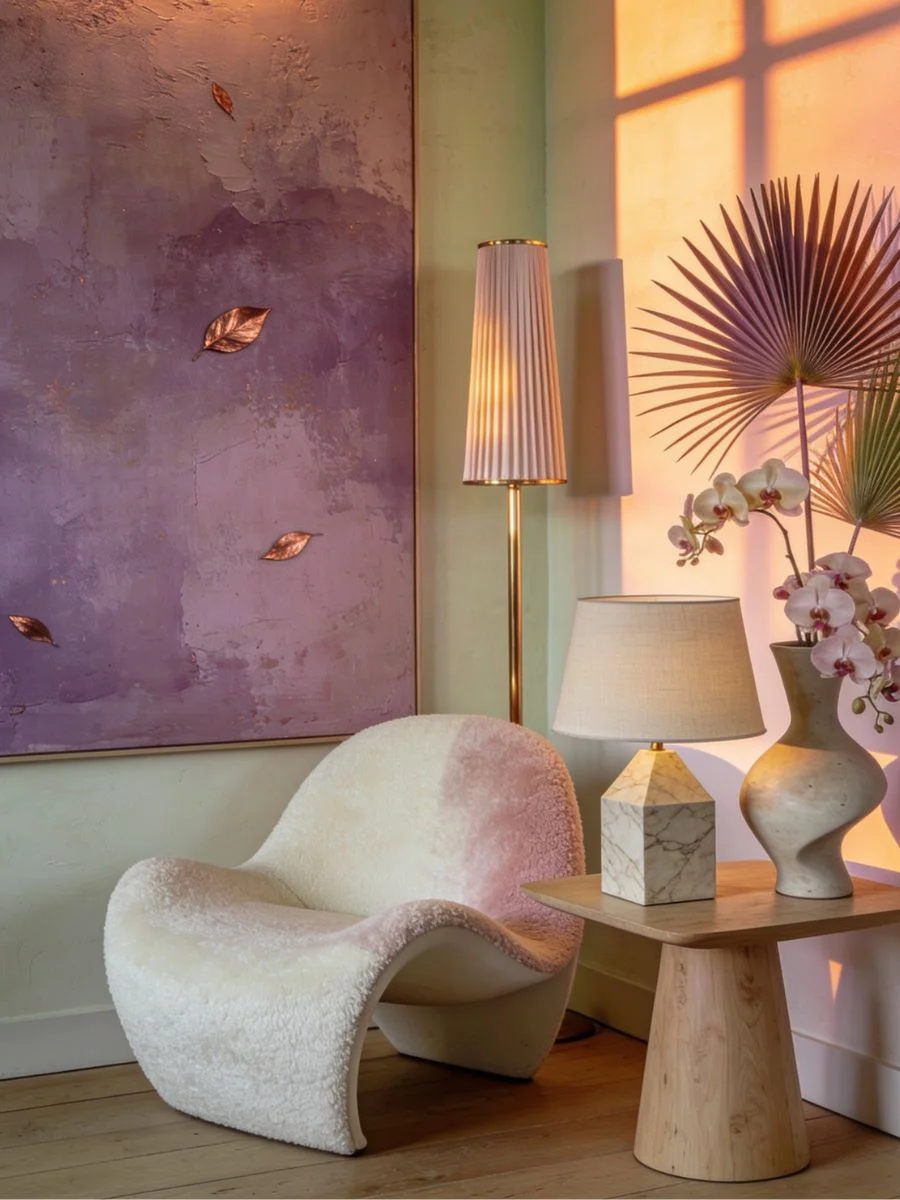
The Secret Behind the Glow: Why a Single Light Fails
Before hanging a single fixture, you must treat your room as a three-dimensional canvas.
I used to think adding more bulbs was the answer, but it just made my home look like a commercial showroom (which is the last thing you want when trying to create a cozy home).
When you distribute light unevenly across high, mid, and low zones, your eyes naturally travel smoothly through the space.
This visual movement makes tight living areas feel significantly larger and large rooms feel instantly more intimate.
The strategy requires a careful balance of ambient, task, and accent fixtures.
Let’s break down how these layers function together to solve common layout dilemmas.
Understanding the Foundations of Light Layouts
Every successful interior layout relies on a clear hierarchy of illumination to balance the room.
Before we look at individual items, you need to understand that light shapes how we perceive vertical height and floor boundaries.
By mapping your light targets at three distinct levels, you can systematically control the mood and eliminate pockets of darkness.
Ambient lighting serves as the baseline foundation of your room layout.
It distributes a soft, wide wash of illumination across your floorboards and ceilings to mimic natural daylight.
When looking at a room from the top down, the overhead fixture acts as the visual centerpiece.
However, the secret to high-end ambient light is diffusion—you want the glow to embrace the room, not pierce it.
To achieve this elevated, organic feel throughout my spaces, I love sourcing pieces that prioritize artisanal textures and authentic materials.
For this guide, the focus centers heavily on the striking creations of Regina Andrew Detroit, an independent studio known for making lights that feel more like handcrafted sculptures than factory fixtures.
Their soulful, unique designs are perfect for grounding a room because they bridge the gap between fine art and everyday home living.
While artisanal houses like Visual Comfort or Arteriors offer stunning structural lighting alternatives, focusing primarily on Regina Andrew allows us to study how a singular, elevated design language gracefully transitions across different rooms. This gives you a cohesive quality benchmark, regardless of which specific texture or layout path you choose to explore.
If you are trying to master your overall home layout, these placement techniques tie directly into the affordable luxury interior design rules that prevent rooms from feeling empty or uninviting.
Setting the Base With Ceiling Fixtures
When it comes to the overhead layer, the goal isn’t just to fill the room with light.
You want to choose a fixture that acts as a stunning piece of sculpture when turned off.
A great ceiling anchor gives the eyes a place to rest, instantly lifting the vertical scale of your room.
Look 1: The Whimsical Porcelain Flora Look
For spaces where you want to lean into pure grace, sophistication, and a softer aesthetic, look toward intricate, botanical shapes.
This works beautifully in areas like a formal sitting room or an elegant primary bedroom layout.
The Matte Porcelain Flower Cluster Chandelier showcases a beautifully delicate side of home decor.
It features whimsical, non-glazed white porcelain flowers that branch out like a floating garden.
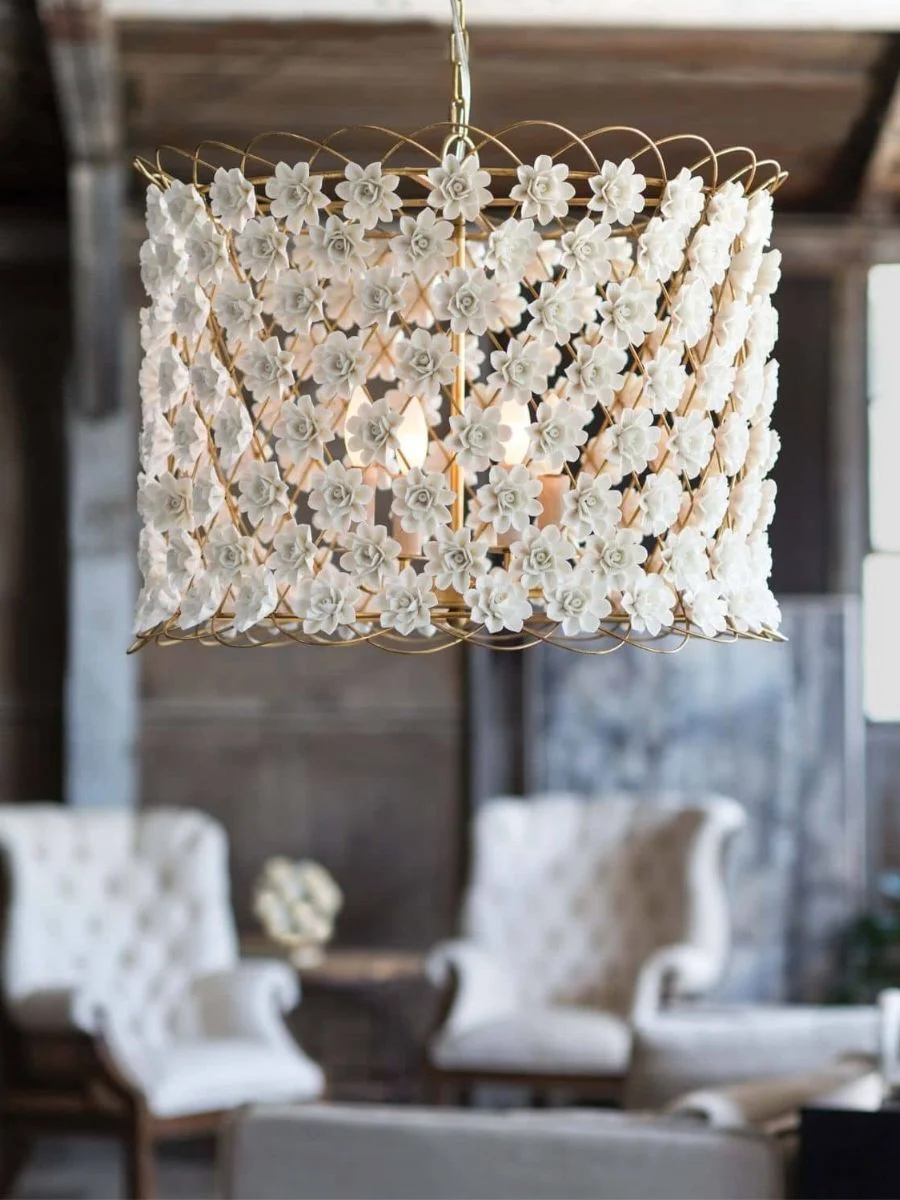
To create that vital contrast that makes a room look expensive, the matte-white ceramic petals are anchored to a rich, hand-applied gold leaf-finished iron frame.
When the light filters through the layered porcelain petals, it throws soft, fluid patterns across your drywall.
This completely eliminates cold or sterile shadows, wrapping your ceiling in a warm, artistic glow.
Look 2: The Washed-Ashore Casual Anchor
If your room layout feels a bit stiff or overly formal, you can instantly break that tension.
The easiest way to do this is by introducing a large-scale fixture crafted from organic, natural elements.
The Seagrass Coastal Chandelier achieves this look perfectly.
It features hand-woven natural seagrass draped along a generous 36-inch wide frame, providing a beautiful, “washed ashore” aesthetic.
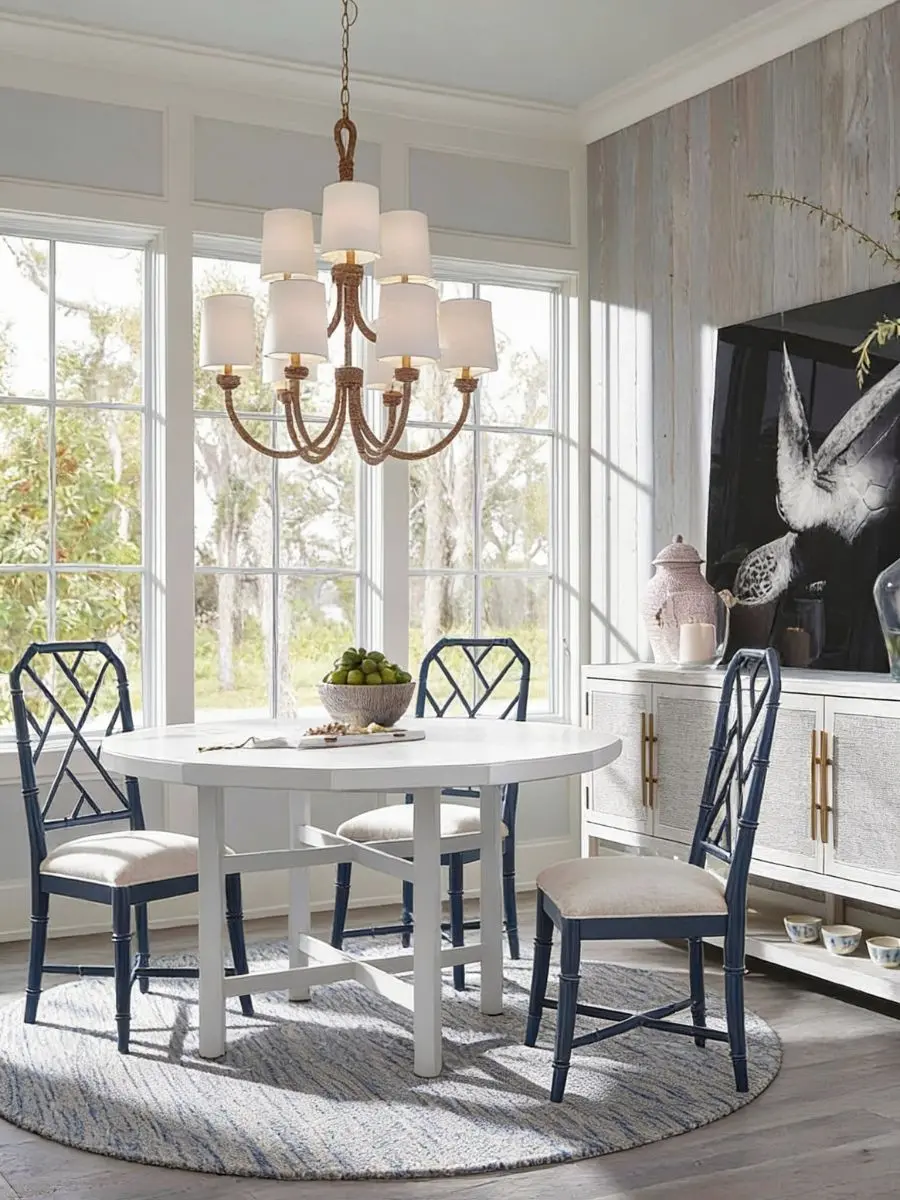
To keep the rustic, textured fibers looking tailored rather than wild, it is finished with nine crisp natural linen shades.
These shades beautifully diffuse the internal bulbs so you never have to deal with a blinding, raw glare.
If you want to echo that relaxed European farmhouse style across the rest of the room, blending these woven textures with sustainable French-inspired flax fabrics and timeless linens instantly makes the whole environment feel soft and balanced.
You can see how to arrange these cozy material layers across your entire home by exploring our comprehensive styling guide on modern french country interior design, which breaks down the eight simple rules for a balanced space.
Hanging this piece directly above a dining table or centering it in a cozy modern French cottage kitchen decor layout ties an earthy, warm color palette together.
I was actually amazed at how much wider my own dining area felt once I swapped out a heavy metal pendant for this breezy, textured alternative.
Caring for Natural Fibers:
- Lightly wipe dust and debris from natural seagrass fibers with a soft bristle brush
- Dust the linen shades using the upholstery attachment on your vacuum
- Avoid harsh or abrasive chemical cleaners to preserve the natural finish
Styling Functional Wall Sconces and Reading Lamps
Task lighting introduces deliberate, directional streams of light straight onto your active work, reading, or seating arrangements.
By shifting this structural responsibility away from the ceiling, you can clear up critical surface space on tables and countertops.
Look 3: The Perforated Retro Frame
Mounting lighting fixtures directly to your walls is an exceptional shortcut to highlight accent architecture while delivering ultra-precise task functionality.
The Satin Brass Perforated Sconce perfectly bridges mid-century retro charm with timeless elegance.
It features a stunning natural brass finish that acts like jewelry against your drywall panels.
If you are trying to balance these fixtures with nearby artwork, you can use our step-by-step guide on matching gallery prints to your space’s mood to ensure your entire vertical layout feels cohesive.
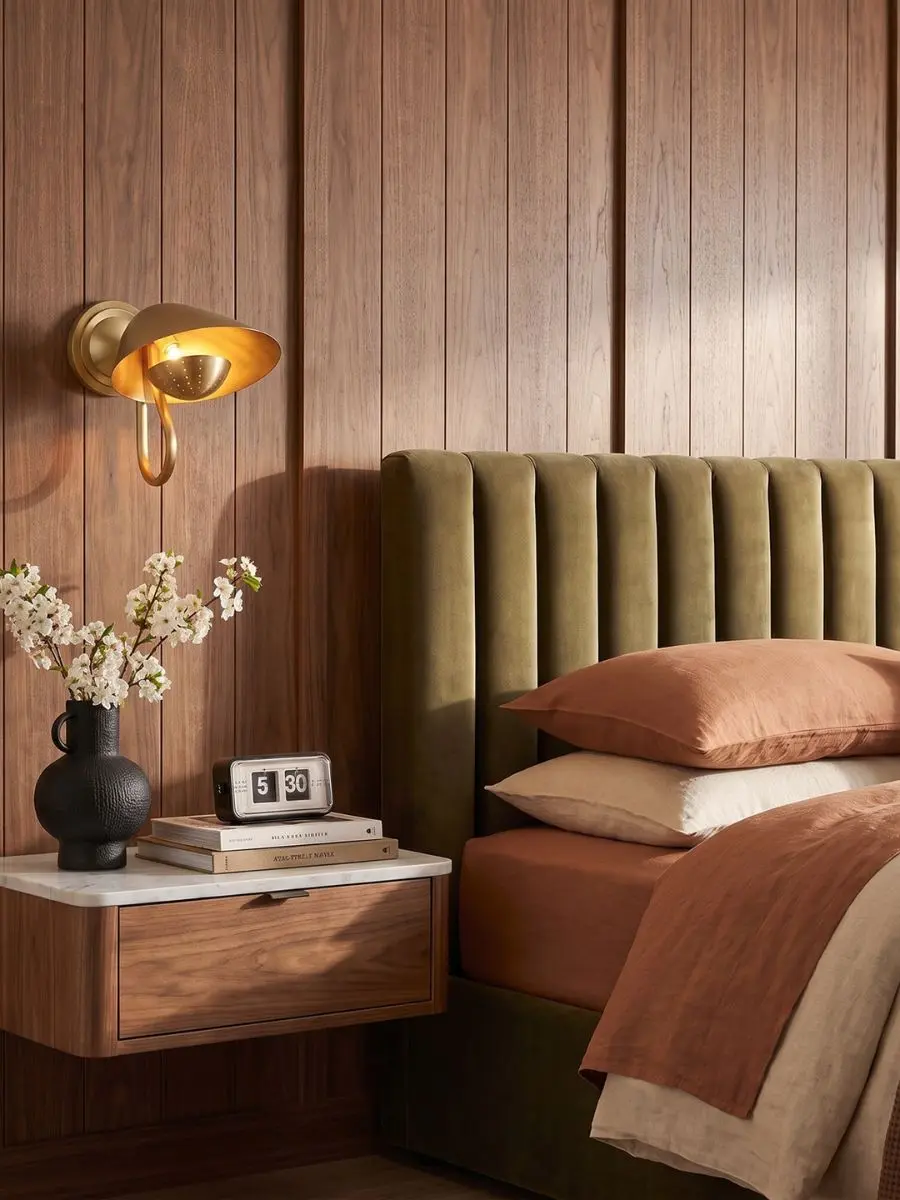
Its most compelling design detail is a perforated steel metal diffuser that softens incoming light, casting delicate lighting patterns that bring immediate warmth and character to the room.
I love mounting this single sconce to frame personal alcoves, home offices, or powder room mirror layouts where soft, focused illumination is essential.
Design Dimension Box:
- Fixture Height: 9.5 inches
- Fixture Width: 8.25 inches
- Extension Depth: 12.5 inches
- Material: Solid Steel
Look 4: The Bird-Silhouette Reading Nook Anchor
If you have an awkward corner layout or a tight seating alcove that feels uninviting, skip bulky furniture pieces and use a single statement floor light to reclaim the footprint.
The Aerodynamic Silhouette Floor Lamp brings incredible structural presence into a room, serving as a functional piece of art.
Crafted from steel, its design evokes a striking bird-like silhouette with a long, elegant sweeping neck.
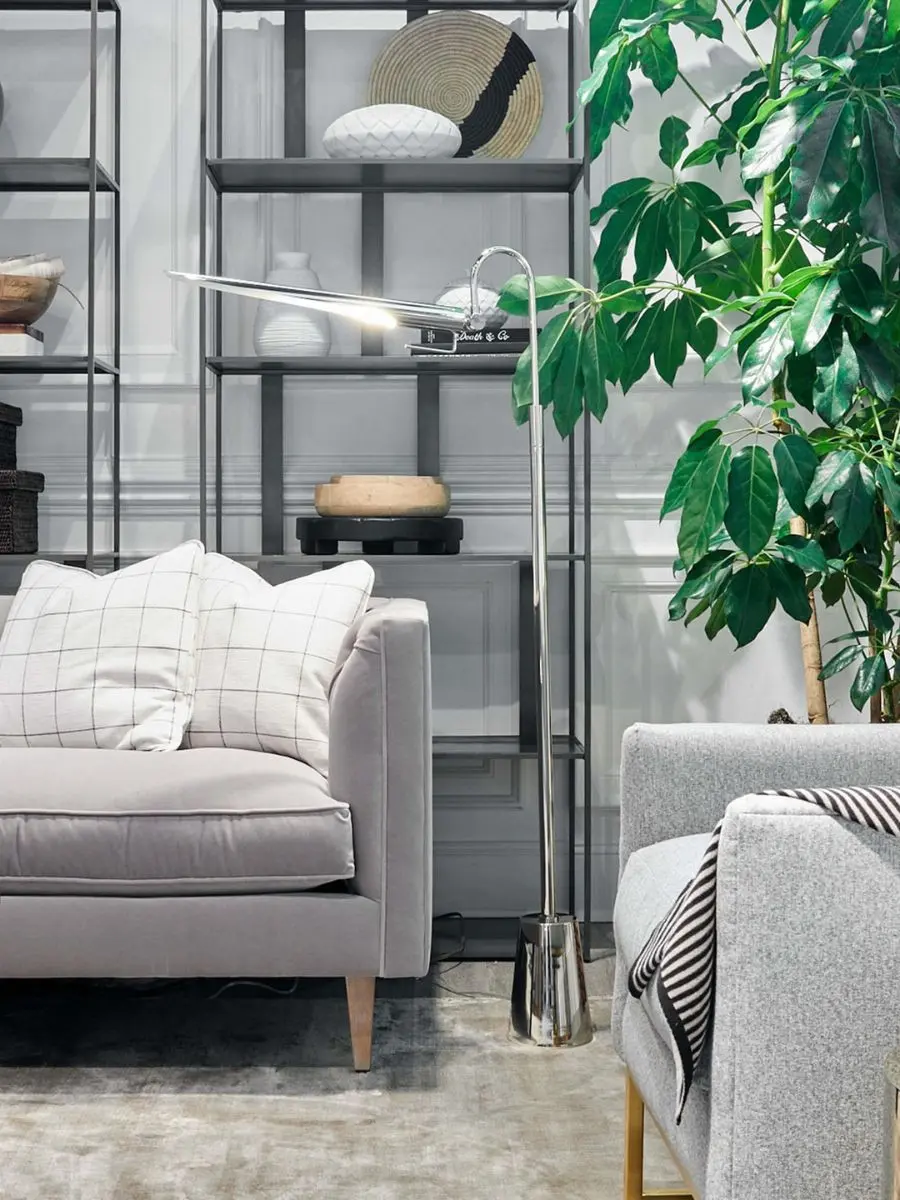
The adjustable shade allows you to pivot and direct illumination exactly where it’s needed, making it an ideal companion next to a leather armchair.
I often slip this slender base behind a low sofa track for late-night reading sessions when I want focused clarity without waking up the rest of the house.
Elevating Table Surfaces With Luxury Stones
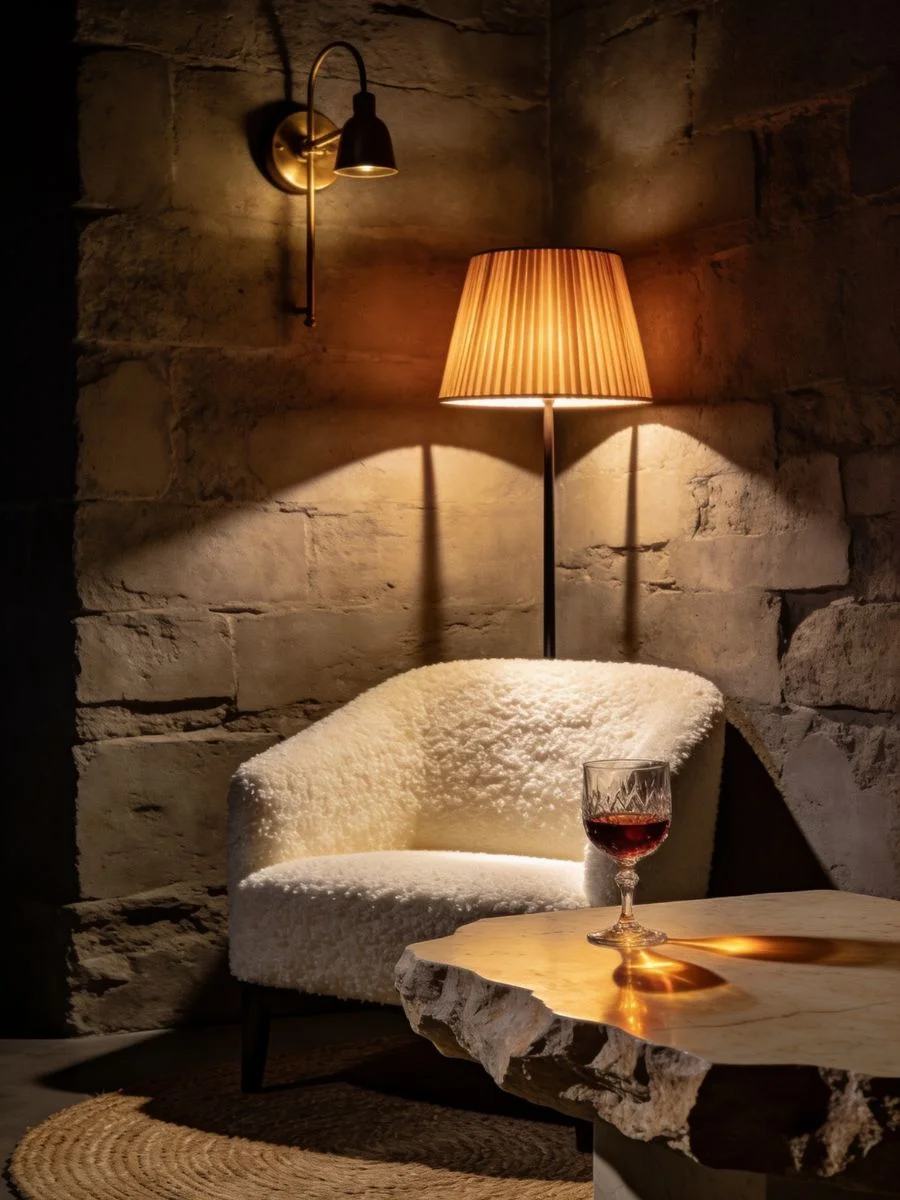
Accent lighting is entirely about intimacy, mood, and art.
Placed at low tabletop levels, these fixtures illuminate specific surfaces, using luxury textures to catch and bounce light warmly throughout the room.
When you select accent table lamps, try to view the fixture as a dimensional sculpture rather than just a source of light.
By incorporating rare minerals, stones, and organic patterns, you give your furniture surfaces an upscale, editorial look.
Look 5: The Low-Profile Solid Jade Cylinder
One of the most underutilized locations for accent lighting is the kitchen counter, a wet bar surface, or side tables tucked tightly against a seating layout.
The Solid Jade Mini Cylinder Lamp is a masterclass in raw material luxury.
It is crafted from solid jade stone and fitted with premium natural brass hardware, making this heavy column lamp stand out as a gorgeous sculptural object even when switched off.
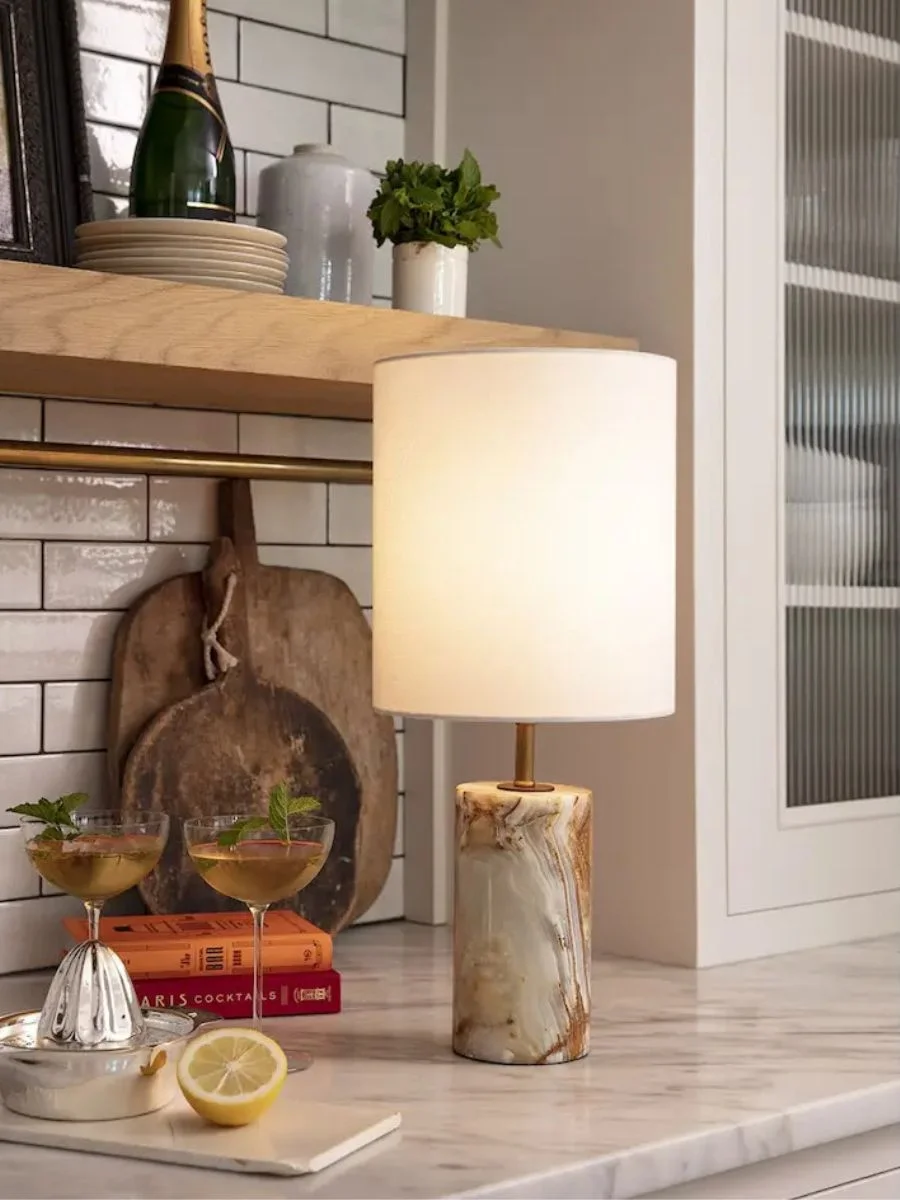
It is topped with a tall natural linen drum shade that balances the rich, substantial weight of the stone.
I highly recommend styling this versatile mini lamp on top of a polished marble kitchen counter to create a warm, unexpected evening vignette.
Honestly, it transforms a basic cooking space into a high-end gathering hub instantly without adding any clutter.
If you are working on streamlining the rest of your culinary layout, pairing this intentional accent lighting with a highly efficient, budget-friendly kitchen setup is the fastest way to make your entire workspace feel cohesive and upscale.
The Power of Stone:
- Natural stones like jade have organic variations, meaning no two lamp bases will ever look identical.
- To clean, wipe jade occasionally with a soft, damp, lint-free cloth and finish with a dry cloth. Never saturate.
Look 6: The Himalayan Hand-Inlaid Contrast
Introducing highly detailed, artisan-crafted patterns into a room layout is the easiest way to give standard furniture pieces a distinct, travel-inspired edge.
The Indigo Chevron Bone Lamp tells a gorgeous visual story, with a design inspired by traditional markets in the Northern Gangetic Plains near the foothills of the Himalayas.
Each individual piece of bone is hand-cut to a specific size, shaped, and carefully glued to form a classic base profile.
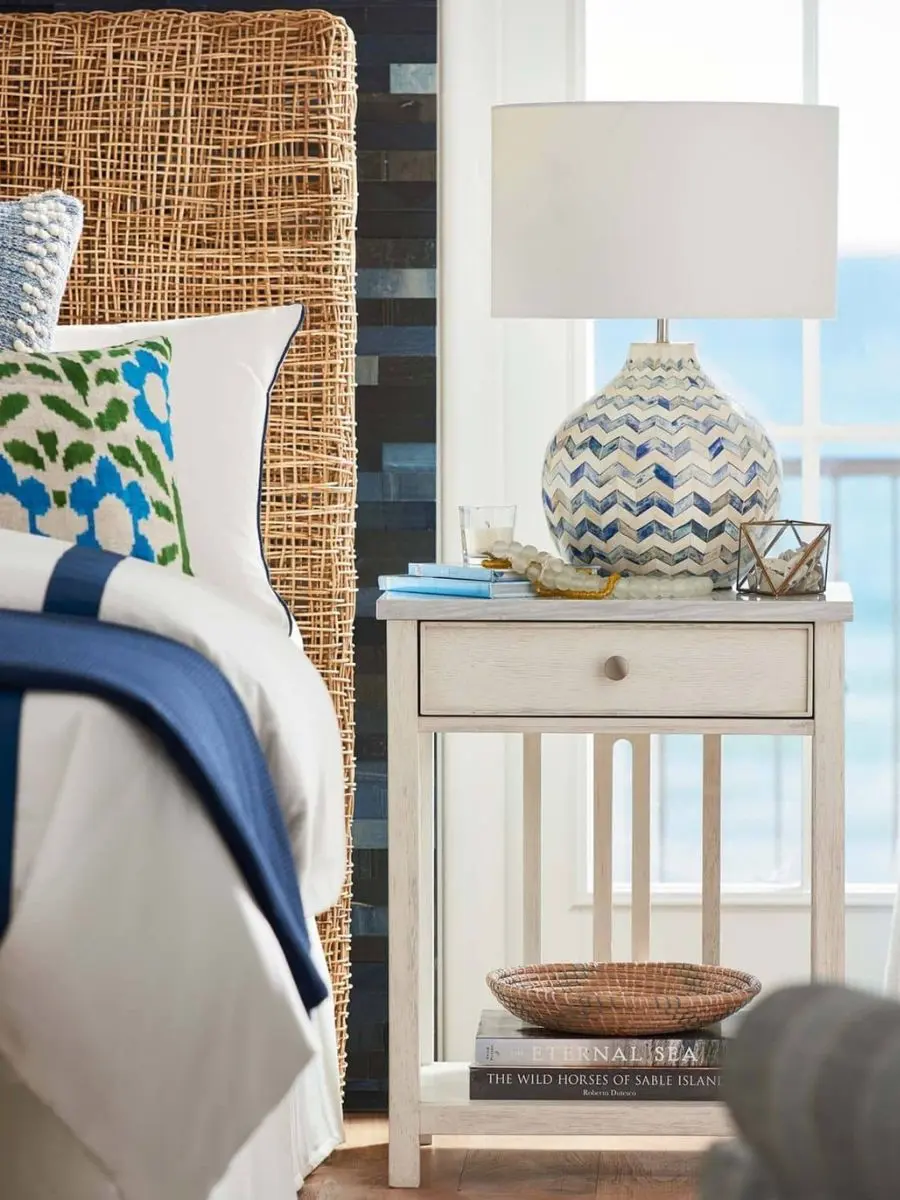
The alternating indigo and white chevron pattern brings an instant coastal breeze or preppy pattern-clash element into neutral rooms.
Style it on an entryway console table to provide a welcoming, high-contrast focal point for guests.
Look 7: The Layered Artichoke Statement
When your room features flat walls or minimal trim, your lamps need to work overtime to bring dimensional shadow and interest into the layout.
The Refined Ceramic Artichoke Lamp serves as a beautifully crafted architectural anchor for a dark wood sideboard or console table.
Its white ceramic base mimics overlapping artichoke or lotus petals, building stunning physical layers that catch and filter shadows unevenly.
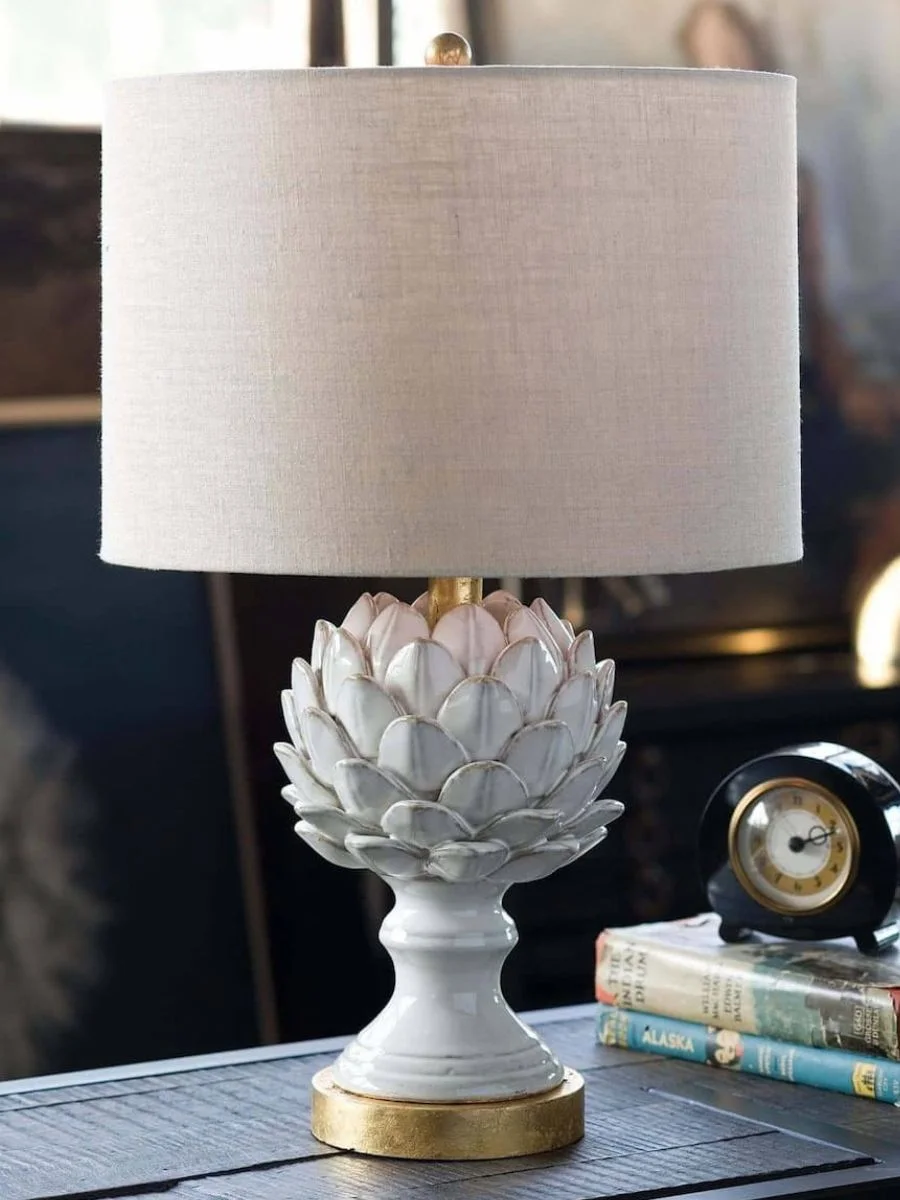
The entire ceramic structure sits on a soft gold base platform that adds a sophisticated metallic lift, while a textured oatmeal shade diffuses the internal bulb into a gentle, low-glare accent wash.
The Quick Spacing Cheat Sheet
| Look & Ideal Placement | Primary Material | Visual Weight |
|---|---|---|
| Porcelain Flower Chandelier Goal: Visual bedroom centerpiece | Matte Ceramic | Soft / Elegant |
| Seagrass Coastal Chandelier Goal: Centers open dining areas | Woven Seagrass | Large / Grounding |
| Satin Brass Perforated Sconce Goal: Frames mirrors & desk alcoves | Solid Steel | Mid / Retro |
| Aerodynamic Floor Lamp Goal: Anchors tight reading corners | Polished Steel | Low / Sleek |
| Solid Jade Mini Cylinder Goal: Elevates marble countertops | Solid Jade Stone | Heavy / Compact |
| Indigo Chevron Bone Lamp Goal: Focal entry console anchor | Hand-Inlaid Bone | Bold / Patterned |
| Ceramic Artichoke Lamp Goal: Interrupts flat drywall planes | Layered Ceramic | Sculptural / Dimension |
Ready to transform your space? Browse Regina Andrew Lighting Collection.
Designer Rule Box:
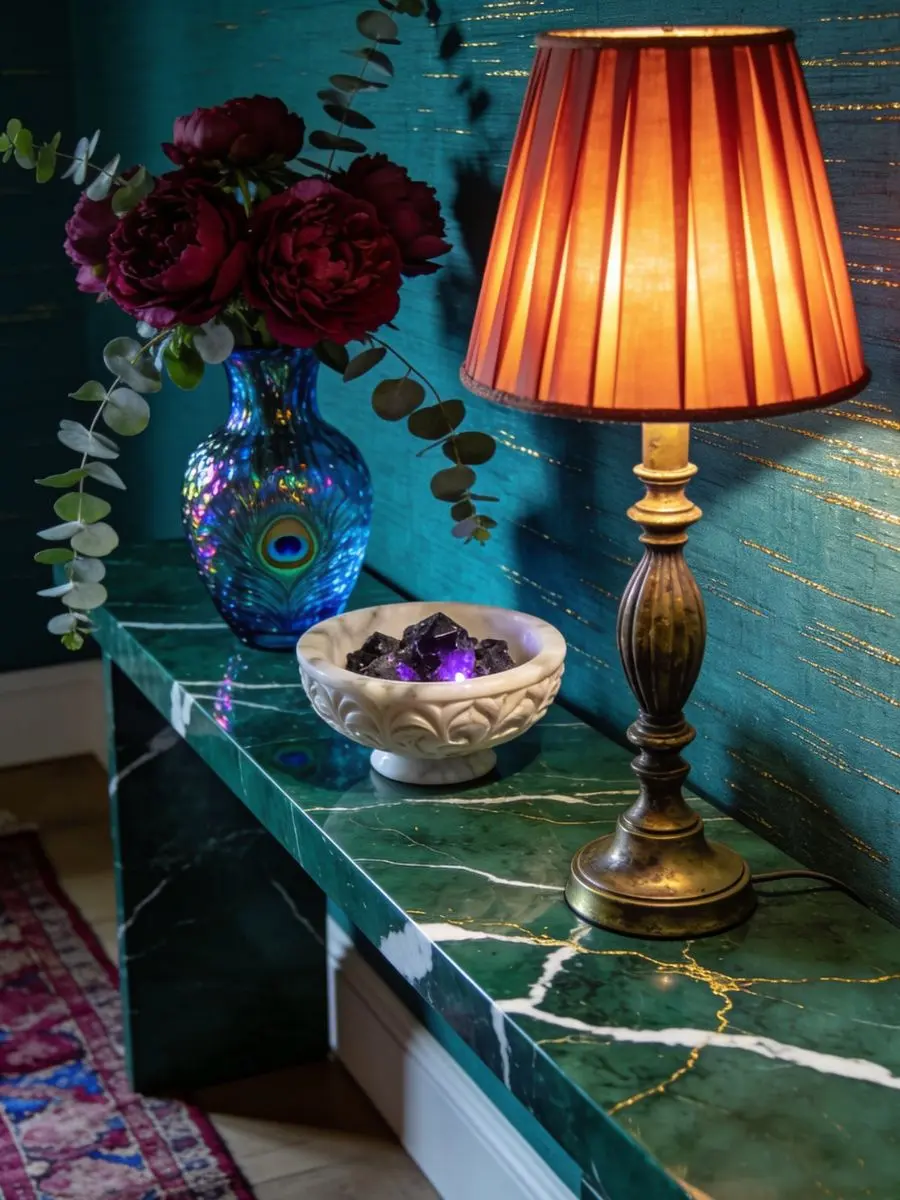
- Always keep low-level accent lamps within 12 inches of a reflective surface
- Use polished stone trays, metallic vases, or glossy ceramic trays next to the base
- This bounces the warm downlight, instantly doubling your cozy evening glow
Evaluating the Layered Strategy: Pros & Cons
Investing in high-end, layered lighting changes the entire architecture of a home without a heavy construction renovation.
However, like any interior design rule, it requires a clear understanding of the benefits and maintenance trade-offs before you start buying decor.
| Design Element | The Pros (What You Gain) | The Cons (What to Plan For) |
| Room Dimension | Elevates empty corners into luxury spots | Requires matching with furniture scale |
| Atmosphere Mood | Warm bulbs eliminate harsh commercial glare | Requires 2700K bulbs |
| Material Textures | Directional beams make fabric grains pop | Delicate stone bases need gentle care |
| Wall Space | Built-in fixtures clear table surface clutter | Sconces require hidden hardwiring work |
How to Layer Lighting: Common Questions
Conclusion: Turning on the Right Lights
Fixing a flat, dark room layout doesn’t require a massive budget or a major home renovation.
It just takes a deliberate shift in how you distribute light across your spaces from the ceiling down to the tabletops.
When you move away from that single, glaring overhead bulb and spread your light into layers, you instantly change how your home feels.
Each layer works together to bring out the true textures of your linens, soften sharp drywall lines, and welcome you with a warm, quiet comfort the moment you walk through the front door.
Take it one corner at a time. Start by picking a beautiful, diffused ceiling piece, add a focused task light next to your favorite chair, and rest a heavy stone mini lamp on your countertops.
You will be amazed at how quickly those cold shadows disappear, leaving behind a warm, inviting home you truly love spending time in.
With elegance,
Bella
